Biochar production from chicken manure creates a practical route for chicken waste management and carbon-based fertilizer manufacturing. This approach connects bird manure/dung collection with a controlled carbonization process, and it then links powdered biochar preparation with pellet making or granulation into stable granules. Therefore, many fertilizer plants treat chicken manure biochar as a value-added material that supports soil improvement goals while also strengthening a consistent fertilizer production procedure. Moreover, the chicken manure processing process allows producers to reduce odor, lower moisture, and improve storage and transportation by converting loose powdery materials into pellets, particles, or uniform granules.
What raw materials support chicken manure carbon-based fertilizer production and stable granulation quality?
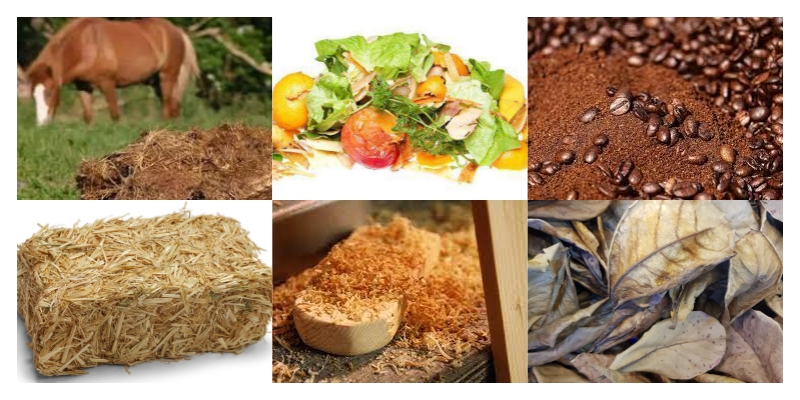
A reliable carbon-based fertilizer production line usually starts with suitable raw materials, because different feedstocks create different carbon content, ash level, and granulating behavior. Chicken manure, bird manure, and poultry dung often act as the core material, while several blended inputs support powder conditioning and pelletizing performance. Typical options include dried chicken manure powder, composted chicken dung, and partially fermented bird manure, because these forms reduce excessive moisture and improve crushing and grinding efficiency. In addition, crop residues such as rice husk, peanut shell, corn stalk powder, and sawdust powder can adjust the carbon-to-nitrogen ratio and support more stable biochar production.
Furthermore, mineral and nutrient additives often strengthen carbon-based fertilizer granulation. Many producers select bentonite powder as a binder, humic acid powder for carbon-based fertilizer enrichment, and rock phosphate powder to increase phosphorus content. Some facilities also choose biochar powder made from straw, bamboo, or wood chips to stabilize the chicken manure biochar formulation. As a result, a practical raw material classification usually includes poultry manure materials, biomass carbon sources, and functional powdered additives, and each category supports smoother granulation, better pellet durability, and more consistent pellet making results.

How does the chicken manure carbonization and powder preparation process improve carbon-based fertilizer manufacturing?
The chicken manure biochar process typically uses a clear preparation sequence, because each step affects particle size, moisture level, and final pellet strength. A controlled composting or pre-fermentation stage often comes first, and that stage reduces pathogens and helps the chicken manure processing procedure reach a more stable condition. Next, a drying step often reduces moisture so that carbonization equipment can run steadily. After drying, carbonization equipment such as a carbonization furnace converts chicken dung into biochar under limited oxygen, and that conversion creates a porous carbon structure that fits carbon-based fertilizer goals.
After carbonization, a crushing machine or carbon fertilizer grinder machine for sale usually reduces char to biochar powder. A screened powdery output supports more consistent mixing, because uneven lumps can weaken pellet making and create irregular pellets or particles. Then a mixer combines chicken manure biochar powder with binders and nutrient powders, and a controlled moisture adjustment step supports granulating stability. Therefore, the production procedure usually follows composting or conditioning, drying, carbonization, crushing, screening, and mixing, and this sequence creates a predictable powdered feed that supports later granulation and pelletizing.
Which granulation machines and finishing equipment support chicken manure biochar pelletizing and efficient production?
Granulation equipment determines how powdered chicken manure biochar turns into marketable granules, pellets, or particles, so machine selection affects output form, hardness, and operating cost. Many factories choose a disc granulator for char-based fertilizer when operators need flexible pellet diameter adjustment and stable ball making for mixed powders. Some plants choose a double roller extrusion granulator when the formula shows low viscosity, because extrusion granulation can form dense pellets without heavy reliance on liquid binders. Other facilities prefer a drum granulator when the production target requires higher throughput and continuous granulating performance.

In addition, a drying machine and a cooling section often stabilize newly formed granules, because wet pellets can deform during storage. A screening machine can separate qualified granules from oversized particles and fine powder, and returned powder can re-enter the granulating loop to raise material utilization. Finally, packing equipment supports clean bagging and easier transportation of carbon-based fertilizer pellets. As a result, a complete pelletizing and pellet making process often includes a granulator or pelletizer, followed by drying, cooling, screening, and packing machinery, and this equipment chain supports consistent manufacturing quality for chicken manure biochar fertilizer products.
Conclusion
Chicken manure biochar production supports sustainable agriculture because the process converts bird manure/dung into a stable carbon material and then upgrades that carbon into granules or pellets suitable for storage, transport, and field application. The overall procedure also strengthens standardization, because carbonization, crushing into powder, and controlled granulation allow predictable particle size and product handling. Moreover, blended raw materials such as chicken manure powder, biomass powders, and binder powders can fit different pellet making requirements and granulating conditions. A professional fertilizer equipment manufacturer- Yushunxin can provide integrated machinery solutions for carbonization, grinding, granulation, drying, and packing within a practical chicken manure carbon-based fertilizer production line. You can visit: https://www.charbasedfertilizermachine.com/product/chicken-dung-and-biochar-as-fertilizer/