Powder vs Granular Organic Fertilizer Production Line: Which Is Better for Your Project

When you plan an organic fertilizer project, one of the first decisions is whether you want to produce powder fertilizer or granular fertilizer. Both routes can process composted manure and other organic materials, but they involve different equipment, investment levels, plant layouts, and finished products.

If you are comparing an organic fertilizer production line for sale, the better choice usually starts with your raw material, target market, expected capacity, and preferred fertilizer form.

When Does a Powder Fertilizer Line Fit Your Project?

Are you looking for a relatively simple way to turn mature compost into a marketable fertilizer?

A powder fertilizer line can give you a shorter processing route. After composting, the material can move through crushing, screening, blending, and packaging. Because granulation, drying, and cooling are not part of this route, you can reduce the number of processing stages and keep the plant layout relatively compact.

This option can work well when you sell fertilizer locally, supply farms near your production site, or want to start with a lower equipment investment.

When considering how to build an organic fertilizer production line, you can first ask whether your customers actually require granules. If powder fertilizer already matches your sales channel, adding more processing stages may not bring enough additional value to your project.

Why Choose Granular Organic Fertilizer?

What if you want a more standardized finished fertilizer that is convenient for storage, packaging, transport, and commercial distribution?

In this case, a granular route may give you more possibilities. After compost crushing and screening, the material can enter granulation, followed by drying, cooling, screening, coating, and packaging according to your product requirements.

An organic fertilizer pelletizing line also allows you to control particle formation and create a more uniform commercial product. Pelletizing generally converts loose material into defined pellets, which can improve handling characteristics.

This route is particularly worth considering when you plan to sell bagged fertilizer through distributors or serve customers beyond your local area.

rotary drum organic Fertilizer granulation line

How Do Capacity and Investment Affect Your Choice?

Your production scale can also change the decision.

For a small farm-based project, a powder line can offer a simpler starting point. As your raw material supply and fertilizer market expand, granulation equipment can become part of a later upgrade.

For an industrial organic fertilizer production line, you may focus more on continuous material flow, automation, drying efficiency, screening accuracy, packaging speed, and overall plant layout. The additional equipment increases the initial investment, but it can also support a more complete commercial fertilizer processing route.

Start with Your Composting Conditions

Whether you choose powder or granules, stable compost provides an important foundation for the following processing stages. Compost commonly comes from decomposed organic materials, including manure and plant waste.

A compost fertilizer production line can therefore start with your manure type, moisture condition, daily input, composting method, and available site before moving into final fertilizer processing.

Which Production Route Fits You Better?

If you prefer a shorter process, compact layout, and lower initial equipment configuration, powder fertilizer may fit your plan. If you are targeting standardized granules, wider distribution, and a more complete commercial fertilizer product, granulation may offer more flexibility.

Your final choice can come back to four questions: What raw material do you have? How much do you process per hour? Who will buy the fertilizer? And what finished form does your market prefer?

If you want to explore configuration options in more depth, you can Click here for more details about designing a suitable system for your project:

In fact, many investors start from a simple layout and later upgrade step by step, and the full system design can always be adjusted based on real production needs, as shown here: https://www.shunxin.eu/organic-fertilizer-production-line/

How Feedstock Moisture Changes Your Cow Dung Fertilizer Plant Design

Cow manure may appear to be a consistent raw material, but its moisture, bedding content and collection method can vary considerably. These differences directly affect equipment selection, composting performance and the cost of producing a saleable fertilizer.

Before investing in a commercial cow dung fertilizer production line, buyers should therefore evaluate the actual feedstock rather than design the project around an assumed manure condition.

Start With the Manure Collection Method

Scraped manure, flushed manure and manure mixed with straw require different preparation systems. Flushed material generally introduces more liquid, while manure collected with bedding may already contain useful structural material.

A representative feedstock test helps determine the amount of free water, fibrous material and unwanted debris entering the plant. This information allows the supplier to select an appropriate cow manure-to-fertilizer equipment package without oversizing unnecessary machines.

The project team should also check seasonal changes. Rainwater, drinking-water leakage and changes in bedding management can alter the material condition even when the number of cattle remains stable.

Select the Right Moisture-Adjustment Method

Wet manure may require mechanical solid–liquid separation before composting. Alternatively, the plant can mix it with straw, sawdust, rice husks or other suitable dry materials when these additives are consistently available.

Mechanical dewatering reduces the amount of liquid entering subsequent equipment, but the project must have a plan for handling the separated liquid. Dry bulking materials can improve pile structure, although their price, storage space and supply stability affect operating costs.

Understanding the properties and common uses of cow dung as an agricultural material provides useful background, but an industrial project still requires site-specific feedstock testing.

cow dung dewatering machines

Decide Between Powder and Granule Production

A powder cow dung fertilizer processing setup normally includes composting, crushing, screening and packaging. It suits projects that serve nearby farms or markets where buyers accept loose or bagged powdered fertilizer.

Granule production adds mixing, granulation and further product-conditioning stages. A cow manure granulation plant for market-ready pellets can provide a more standardized physical product, but it also requires greater equipment investment, energy supply and process control.

Buyers should confirm the intended product format with distributors before ordering machinery. Installing a full granulation system offers little value when the local market mainly purchases low-cost compost powder.

Cow dung granular fertilizer making process

Size the Composting Section Before the Finishing Line

The hourly capacity of the crusher or granulator does not determine the complete plant capacity by itself. Composting takes considerably longer than crushing, screening or packaging, so the fermentation area often becomes the main sizing constraint.

Project calculations should consider daily manure volume, moisture-adjusted material volume, retention time and available working space. The selected turning method must also match the planned pile or trench dimensions.

A broader overview of complete organic fertilizer production options can help buyers compare powder, granule and bio-organic fertilizer routes.

Give the Supplier Project-Specific Data

A reliable quotation should reflect the cattle population, manure collection method, daily raw-material volume, measured moisture, available additives, desired product and local electricity supply. Building dimensions and environmental-control expectations also influence the layout.

With these inputs, the supplier can prepare a customized cow dung fertilizer plant design instead of offering a generic equipment list. Buyers can learn more about the available process routes and equipment configurations here.

For complete project information, visit:
https://fertilizerequipmentmanufacturer.com/how-to-make-organic-fertilizer-from-cow-dung/

What Are the Budget Considerations for Organic Fertilizer Manufacturing?

Organic fertilizer manufacturing attracts increasing attention because of the growing demand for sustainable agriculture and environmentally friendly soil improvement solutions. When an investor or project planner evaluates the organic fertilizer production line cost, several factors influence the total organic fertilizer plant cost. These include raw material selection, equipment configuration, process design, and automation level. Careful planning helps reduce the organic fertilizer production plant cost and ensures efficient organic fertilizer powder or pellet manufacturing. The following sections explain how these aspects affect the fertilizer factory cost and provide reference ideas for future fertilizer plant setup.


What Raw Materials Affect the Organic Fertilizer Production Plant Cost?

The choice of raw materials directly determines both product quality and organic fertilizer manufacturing cost. Common organic materials include livestock manure such as chicken manure, cow dung, and pig manure, which contain abundant organic matter and nutrients. Crop residues like straw, rice husk, and corn stalks can also serve as supplementary carbon sources. Other materials such as kitchen waste, mushroom residue, and sugar mill filter mud are also suitable for organic fertilizer powder production or organic fertilizer granule making.

Each raw material requires specific pretreatment. For example, high-moisture materials increase the drying workload and energy consumption, thus influencing the fertilizer production plant cost. In contrast, relatively dry materials reduce the organic fertilizer manufacturing plant cost because they shorten the composting time and simplify the granulation process. Therefore, a buyer or investor needs to evaluate material supply stability, transportation distance, and moisture content before deciding on the organic fertilizer factory setup cost.
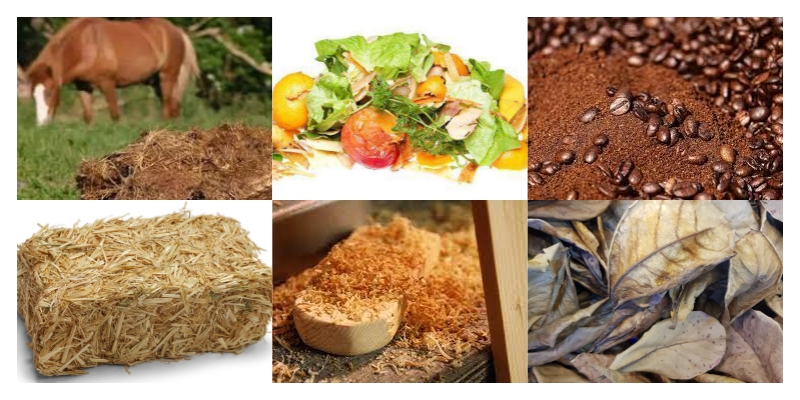
Organic Fertilizer Raw Materials

How Does Equipment Selection Influence the Fertilizer Plant Setup Cost?

The level of machinery configuration has a significant impact on the organic fertilizer production plant cost. A typical organic fertilizer powder production line may include a compost machine, a crushing machine, a batching machine, a screening machine, and a packing machine. For organic fertilizer granule or pellet production, additional granulating equipment is necessary. Different types of granulators such as the disc granulator, double roller extrusion granulator, flat die granulator, drum granulator, or the new type organic fertilizer granulator have unique working principles and price differences.

A project planner should consider capacity, energy consumption, maintenance convenience, and wear resistance when choosing machines. For instance, a rotary drum granulator has a higher output but requires a larger investment, while a double roller extrusion granulator offers lower organic fertilizer plant setup cost and energy efficiency for medium-scale production. Furthermore, supporting systems such as rotary drying machines and cooling machines affect the total fertilizer manufacturing plant cost. Proper process design can balance investment and efficiency, ensuring stable operation and reduced waste during organic fertilizer pelletizing or granulation.

granulator machine

How to Evaluate the Overall Organic Fertilizer Plant Setup Cost?

The total organic fertilizer factory cost consists of equipment purchase, plant construction, labor, energy, and maintenance expenses. Investors usually divide the budget into fixed and variable costs. Fixed costs include land, workshop building, and machinery, while variable costs relate to electricity, raw materials, and packaging. A well-planned organic fertilizer production process minimizes energy consumption by integrating advanced compost fermentation technology and optimized drying systems.

Moreover, automation level influences both production efficiency and long-term organic fertilizer manufacturing plant cost. Automatic batching systems and intelligent control panels reduce manual errors and operation time. Proper layout design also shortens material transfer distance and decreases labor intensity. As a result, overall production becomes more economical and sustainable, achieving a balance between quality and fertilizer production cost.


Conclusion

Organic fertilizer production requires rational investment planning. Every stage—from raw material selection to equipment configuration—affects the organic fertilizer production plant cost. Through careful analysis of material characteristics, process design, and mechanical performance, investors can establish a cost-effective organic fertilizer powder or granule manufacturing plant. A professional fertilizer equipment manufacturer, Yushunxin, offers complete organic fertilizer production lines and technical support, helping clients build efficient and economical organic fertilizer pellet production plants suitable for long-term operation and environmental protection. You can visit: https://www.fertilizerproductequipment.com/organic-fertilizer-production-plant-cost/

How Can Process Improvements Reduce Organic Fertilizer Manufacturing Cost?

The cost of an organic fertilizer production plant often determines whether an investment brings long-term benefit or not. Many companies focus only on the price of machines, but the real answer lies in optimizing the entire manufacturing process. When every step of organic fertilizer powder preparation and organic fertilizer granule or pellet making becomes more efficient, the fertilizer plant setup cost decreases, and the factory gains higher output with lower energy consumption. This article explains how raw material selection, equipment design, and systematic process improvements reduce fertilizer manufacturing plant cost while ensuring stable quality.


What Raw Materials Can Lower Organic Fertilizer Production Plant Cost?

The choice of raw materials directly affects organic fertilizer factory cost. When producers select agricultural wastes, livestock manures, or industrial by-products with stable supply, the fertilizer manufacturing procedure becomes more predictable and economical. For example, chicken manure, cow dung, pig slurry, crop straw, bean dregs, and sugar mill filter mud provide abundant nutrients and require relatively simple pretreatment. These organic inputs suit both organic fertilizer powder production and organic fertilizer pellet making.

Organic Fertilizer Raw Materials

In addition, material uniformity improves downstream granulation and reduces energy consumption of crushing machines and compost equipment. Stable raw materials shorten composting time in a fermentation pot or groove type compost turner, thereby lowering electricity use. In this way, careful material selection reduces both raw input expenses and long-term organic fertilizer plant cost by ensuring smoother processing and less waste.


How Do Specialized Machines Improve Organic Fertilizer Granulation Efficiency?

Granulation represents one of the most cost-sensitive procedures in organic fertilizer manufacturing. A well-designed granulator or pelletizer increases yield and cuts energy loss. Disc granulators, double roller extrusion granulators, and new type organic fertilizer granulators allow flexible preparation of fertilizer particles. Each machine suits different moisture contents and production scales, so producers can choose matching models to avoid unnecessary power use.

granulator machine

For example, a double roller extrusion granulator operates without drying, which saves fuel cost and reduces fertilizer factory cost. A drum granulator handles large-scale production and ensures consistent granule size, making downstream screening machines more efficient. By aligning granulator performance with material characteristics, a fertilizer plant reduces unnecessary wear, minimizes downtime, and lowers organic fertilizer manufacturing plant cost.


Why Does Systematic Equipment Combination Reduce Fertilizer Plant Setup Cost?

A fertilizer production line requires more than a single machine. Crushing machines, compost equipment, batching machines, rotary drying machines, screening machines, and packing machines all interact. When these units operate in a coordinated way, the organic fertilizer production process avoids bottlenecks. For instance, accurate batching machines reduce formulation errors, which minimizes reprocessing expenses. Rotary drying machines remove excess moisture efficiently, leading to lower energy use during storage and transportation.

Furthermore, screening machines separate qualified granules or pellets from powder, reducing waste and ensuring consistent quality. When producers integrate machines with proper capacity balance, the organic fertilizer production plant cost decreases through reduced labor time, lower maintenance frequency, and improved material flow. The overall result is a fertilizer factory that consumes fewer resources while producing stable organic fertilizer granules or pellets.


How Do Process Improvements Create Long-Term Savings in Fertilizer Production?

Every improvement in process design leads to lower fertilizer manufacturing plant cost. From raw material selection to granulating and drying, each stage offers chances to save on energy, reduce labor, and minimize waste. By focusing on efficiency rather than only machine purchase price, an enterprise gains sustainable advantages. Energy savings, reliable equipment, and smooth production lines all combine to lower organic fertilizer production plant cost in the long run.

In conclusion, reducing fertilizer plant setup cost depends on a complete strategy: select proper organic raw materials, match them with efficient granulators and compost equipment, and build a balanced production line with drying, screening, and packing units. With these measures, the organic fertilizer manufacturing procedure runs smoothly and economically. For companies seeking a reliable partner in this field, a professional fertilizer equipment manufacturer—Yushunxin—provides advanced machinery and complete solutions to achieve lower organic fertilizer plant cost with higher production efficiency. You can visit: https://www.fertilizerproductequipment.com/organic-fertilizer-production-plant-cost/

What Are the Investment Considerations for Organic Fertilizer Particle Making Line?

As the demand for sustainable agriculture continues to rise, many investors and agricultural businesses are exploring the opportunities within organic fertilizer granulation production. However, the decision to establish an organic fertilizer granulating line requires careful consideration of multiple factors that affect the overall organic fertilizer plant setup cost and long-term profitability. This article examines the primary investment aspects, focusing on raw material selection, essential organic fertilizer pellet making equipment, and cost breakdowns specific to the fertilizer manufacturing plant process.


What Raw Materials Suit Organic Fertilizer Particle Production Line Investment?

The selection of raw materials significantly influences the organic fertilizer plant cost and determines the efficiency of the entire organic fertilizer granule production procedure. Investors should prioritize cost-effective, nutrient-rich inputs that are readily available in the local area to minimize transportation expenses and maximize operational efficiency. Commonly used materials include livestock manure (such as chicken, pig, or cow manure), agricultural waste (like straw, rice husk, or crop residues), and industrial by-products (such as distiller’s grains, sugar mill filter mud, and sludge). Additionally, some producers incorporate kitchen waste or municipal organic waste as part of a circular economy initiative. High-moisture content materials may demand pre-treatment steps like composting or dehydration, which directly affect the selection of auxiliary equipment and, consequently, the total organic fertilizer production plant cost. By ensuring a stable and sustainable raw material supply, investors can secure consistent output quality and yield in the organic or compound fertilizer granule manufacturing process.

Organic Fertilizer Raw Materials

Which Key Machines Impact the Fertilizer Manufacturing Plant Cost?

A well-designed organic fertilizer granulation production line typically incorporates a combination of specialized fertilizer making equipment and supporting machinery. The choice and configuration of these machines determine both the initial organic fertilizer factory cost and ongoing operational expenses. For example, the production line often begins with a crushing machine to process raw materials into suitable particle sizes. Next, a compost machine may be required to ferment organic inputs, reducing pathogens and improving granulation quality. The core of the process revolves around the granulator or pelletizer—options include disc granulators, flat die granulators, double roller extrusion granulators, drum granulators, and new type organic fertilizer granulators. Each granulating machine type offers unique advantages in terms of granule shape, particle strength, capacity, and energy efficiency, directly affecting organic fertilizer plant setup cost. Supplementary equipment such as rotary drying machines, screening machines, and packing machines further optimize the procedure by enhancing particle uniformity, drying efficiency, and packaging accuracy. Investors should balance automation needs and operational complexity with initial investment to achieve the optimal fertilizer manufacturing plant cost structure.


How Do Cost Factors Influence Organic Fertilizer Granulation Line Investment Decisions?

Evaluating the organic fertilizer production plant cost requires careful analysis of both fixed and variable expenses throughout the organic fertilizer pellet production process. Fixed costs cover land, factory construction, equipment procurement, and utility installation. Variable costs include labor, electricity, maintenance, raw material sourcing, and waste management. Investors should also consider the scale of the production line, as larger capacity setups typically achieve lower per-ton fertilizer plant cost due to economies of scale, but may require higher upfront investment. Equipment durability, automation level, and after-sales support all contribute to long-term operational efficiency and cost control. Selecting reliable granulation machinery and designing a streamlined production flow can minimize downtime and ensure stable returns.


Conclusion

In summary, a successful investment in organic fertilizer particle making line depends on strategic raw material selection, rational configuration of granulating and auxiliary equipment, and thorough cost evaluation of the fertilizer manufacturing process. Each aspect interconnects to influence the overall organic fertilizer production plant cost and operational success. By partnering with a professional fertilizer equipment manufacturer like Yushunxin, investors can obtain tailored solutions, advanced granulator technology, and comprehensive support to optimize their organic fertilizer granulation production line investment. You can visit: https://www.fertilizerproductequipment.com/organic-fertilizer-production-plant-cost/