Как выбрать подходящую линию гранулирования NPK? — Руководство по выбору и практические советы

В современной аграрной и производственной индустрии линия гранулирования NPK — ключевое оборудование для эффективного производства комплексных удобрений. С развитием технологий на рынке появляется всё больше брендов и моделей линий гранулирования. Как выбрать оборудование, подходящее именно для ваших нужд — актуальный вопрос для многих предприятий и фермеров. В этой статье мы расскажем, на что стоит обратить внимание при выборе линии гранулирования NPK и дадим практические рекомендации.
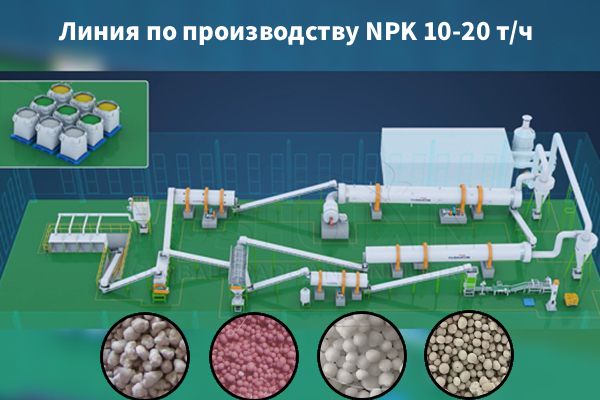
Линия-по-производство-NPK-10-20-т-ч

1. Определите собственные производственные потребности

Требования к производительности
В первую очередь, необходимо исходить из собственных потребностей в производительности (годовой, месячный или суточный объём производства) при выборе подходящей линии. Для небольших хозяйств подойдут малые или средние линии, а для крупных фабрик — оборудование с большей производительностью.

Гибкость рецептуры
Для разных культур и почв нужны разные пропорции NPK. При выборе линии учитывайте, поддерживает ли оборудование различные рецептуры и можно ли гибко изменять соотношение сырья.

2. Обратите внимание на технологию и особенности оборудования

Тип гранулирования
Существуют барабанное, дисковое и шнековое (экструзионное) гранулирование. Разные технологии подходят для разных видов сырья и формы гранул. Например, барабанное гранулирование удобно для крупного производства и получения округлых гранул; дисковое — удобно для регулировки размера гранул; экструзионное — для специальных составов.

Уровень автоматизации
Современные линии оснащаются автоматизированными системами управления: автоматическое дозирование, контроль температуры, влажности, сигнализация неисправностей и т.п. Это существенно увеличивает эффективность и снижает вероятность ошибок.

3. Оцените качество оборудования и сервис производителя

Материалы и сборка
Качественная нержавеющая или углеродистая сталь обеспечивают устойчивость к коррозии и износу, а следовательно — долгий срок службы. Важно, чтобы оборудование было удобно в обслуживании.

Надёжность производителя и поддержка
Выбирайте проверенного и надёжного производителя, чтобы быть уверенными в качестве и получить необходимую техническую поддержку. Многие производители предоставляют услуги монтажа, пуско-наладки, обучения персонала и поставки запчастей.
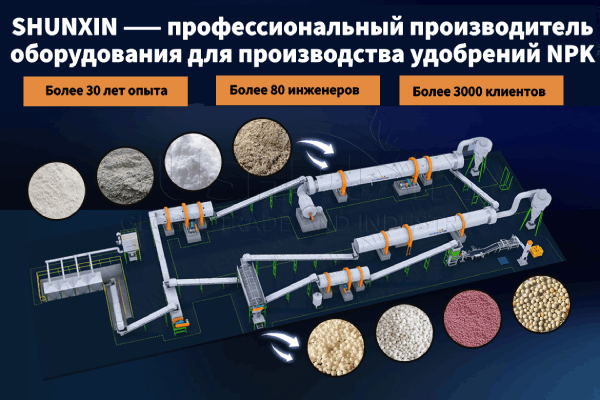
оборудования-для-производства-удобрений-npk

4. Экономическая эффективность и окупаемость

Бюджет на инвестицию
Исходя из финансовых возможностей, определите разумный бюджет, учитывая не только цену оборудования, но и последующие расходы на эксплуатацию — энергию, обслуживание, персонал и т.д.

Энергоэффективность и экологичность
Энергоэффективные и экологичные линии помогают снизить затраты и соответствовать современным требованиям по охране окружающей среды.

5. Посещение производства и тестирование

Если есть возможность, рекомендуем посетить завод-изготовитель, увидеть оборудование в работе и даже провести тестовую грануляцию вашего сырья для оценки качества готового продукта.


Выбор подходящей линии гранулирования NPK напрямую влияет на качество продукции, производительность и долгосрочное развитие предприятия. Рекомендуем взвешенно подходить к выбору, учитывая производительность, технологию, материалы, сервис, экономичность и другие параметры. Если у вас есть конкретные вопросы или нужна помощь с выбором — оставляйте комментарии, мы всегда готовы помочь и дать профессиональную консультацию! Для получения более подробной информации, пожалуйста, посетите:https://www.sxmashina.com/liniya-po-proizvodstvo-npk-udobreniy/

Why Choose a Double Roller Extrusion Granulator for NPK Compound Fertilizer Making

The double roller granulator machine has become a leading choice for NPK compound fertilizer making thanks to its energy-saving operation, simple structure, and stable granule quality. For fertilizer producers looking to expand or upgrade, this roller granulation line delivers reliable performance with low investment.

1. Energy-Saving NPK Fertilizer Granulation Technology

Unlike wet granulation systems, the double roller compactor of NPK pellets uses mechanical extrusion to form granules directly from dry raw materials. No drying or heating process is required. This dry granulation method minimizes energy costs while preserving the chemical integrity of nutrients such as nitrogen, phosphorus, and potassium. It’s especially suitable for areas with high electricity or fuel prices.

2. High Granule Strength and Uniform Size

The double roller granulator machine compresses NPK powder under high pressure between two rotating rollers, producing dense, uniform, and strong granules. By changing the roller mold, manufacturers can easily produce NPK pellets with sizes ranging from 2 mm to 5 mm, meeting various market needs. These hard and uniform granules reduce dust, improve packaging efficiency, and enhance fertilizer spreading performance in the field.

3. Compact Structure and Easy Maintenance

The roller granulation line features a compact design that requires limited installation space. Its operation is simple, and maintenance costs are low since it has fewer moving parts compared to rotary drum systems. The granulator can handle 1–5 tons per hour, depending on model and roller size, making it ideal for medium-scale NPK compound fertilizer making plants.

4. Versatile for Multiple NPK Formulations

Another reason to choose the double roller compactor of NPK pellets is its adaptability to different formulas. It can produce balanced NPK ratios such as 15-15-15, 17-17-17, or customized blends with micronutrients and additives. This flexibility allows producers to tailor products to local soil conditions and crop requirements.

Conclusion

Choosing a double roller granulator machine for NPK compound fertilizer making means achieving low-cost, energy-efficient, and high-quality production. Whether you are starting a new plant or upgrading an existing one, this roller granulation line helps create durable and marketable NPK pellets that enhance your competitiveness in the fertilizer industry. if you are interested in the project, you can visit https://www.fertilizerbusinessplan.com/double-roller-granulator/

What Are the Hidden Costs in NPK Fertilizer Production Line Setup?

Establishing an NPK fertilizer production line involves more than simply purchasing machines and starting the manufacturing process. Many investors overlook various hidden costs that can significantly impact the compound fertilizer plant cost and the overall profitability of the project. Understanding these additional expenses will enable you to plan your fertilizer granulation project with greater accuracy and efficiency.


Which Raw Materials Increase NPK Fertilizer Production Plant Cost?

The selection of suitable raw materials for NPK/compound fertilizer granulation, such as urea, ammonium nitrate, ammonium sulfate, potassium chloride, and diammonium phosphate, plays a critical role in determining the fertilizer production line setup cost. Every type of material has unique properties and moisture content, affecting the granulating process and the choice of equipment. Some materials, for example, may require pre-processing with a crushing machine to achieve the optimal particle size for pelletizing or ball making. Others may demand special storage and handling facilities, especially if they are prone to moisture absorption or corrosion.

NPK Fertilizer Production Raw Materials

Different fertilizer raw materials also have varying prices, which can fluctuate with market demand. For instance, the cost of potassium-based compounds or specialty additives may increase the total npk fertilizer manufacturing plant cost beyond initial predictions. When choosing materials, consider not only the market price but also delivery logistics, storage infrastructure, and potential losses during handling, all of which add to the npk fertilizer factory cost.


How Do Equipment Choices and Features Affect Fertilizer Granulation Line Cost?

The selection and configuration of compound fertilizer pelletizer machinery directly impact the npk fertilizer plant investment. Each machine in the production process—such as the batching machine, rotary drum granulator, disc granulator, or double roller extrusion granulator—comes with its own price, capacity, energy requirements, and maintenance needs. For example, rotary drying and cooling machines consume significant amounts of energy and may require additional dust collection systems, increasing both the fertilizer granulation plant cost and future operational expenses.

Automated control systems, durable materials for machine construction, and advanced safety features can ensure long-term stability but result in a higher initial fertilizer production line cost. Furthermore, the compatibility between different pellet making and screening machines must be evaluated carefully. Incompatible equipment may lead to higher maintenance, frequent downtime, or even production delays, thereby inflating the compound fertilizer production plant cost.

NPK Granulation Process

What Other Hidden Costs Should NPK Fertilizer Project Investors Consider?

While the focus often remains on machinery and raw materials, several other factors contribute to the hidden costs of setting up a fertilizer pelletizing plant. Utility costs, including electricity and water consumption for manufacturing processes, often fluctuate based on the local environment and production scale. Waste management procedures, such as the treatment of dust or off-gases from the granulating and drying sections, may require additional investment in environmental protection equipment.

Installation and commissioning fees, operator training, and regular equipment maintenance represent ongoing financial commitments. Delays in production start-up, caused by incomplete documentation or local regulatory requirements, can also raise the overall npk fertilizer plant setup cost. Investors should also budget for spare parts and technical support, as these are vital for minimizing downtime and protecting the return on investment in fertilizer granule production.


How Can Investors Optimize the Compound Fertilizer Production Line Setup Cost?

Careful planning and informed selection of each aspect—from raw materials to granulator equipment and auxiliary systems—are essential for keeping the fertilizer manufacturing plant cost within budget. By conducting a thorough cost-benefit analysis, investors can avoid unnecessary expenses and select machinery that meets the specific needs of their fertilizer preparation line.

Partnering with a professional fertilizer equipment manufacturer, such as Yushunxin, provides access to reliable solutions for granulating, pellet making, and compound fertilizer plant setup. Expert guidance can help you reduce hidden costs, streamline operations, and maximize the long-term profitability of your npk fertilizer production plant. You can visit: https://www.fertilizerproductequipment.com/npk-fetilizer-plant-cost/