
Cow manure may appear to be a consistent raw material, but its moisture, bedding content and collection method can vary considerably. These differences directly affect equipment selection, composting performance and the cost of producing a saleable fertilizer.
Before investing in a commercial cow dung fertilizer production line, buyers should therefore evaluate the actual feedstock rather than design the project around an assumed manure condition.
Start With the Manure Collection Method
Scraped manure, flushed manure and manure mixed with straw require different preparation systems. Flushed material generally introduces more liquid, while manure collected with bedding may already contain useful structural material.
A representative feedstock test helps determine the amount of free water, fibrous material and unwanted debris entering the plant. This information allows the supplier to select an appropriate cow manure-to-fertilizer equipment package without oversizing unnecessary machines.
The project team should also check seasonal changes. Rainwater, drinking-water leakage and changes in bedding management can alter the material condition even when the number of cattle remains stable.
Select the Right Moisture-Adjustment Method
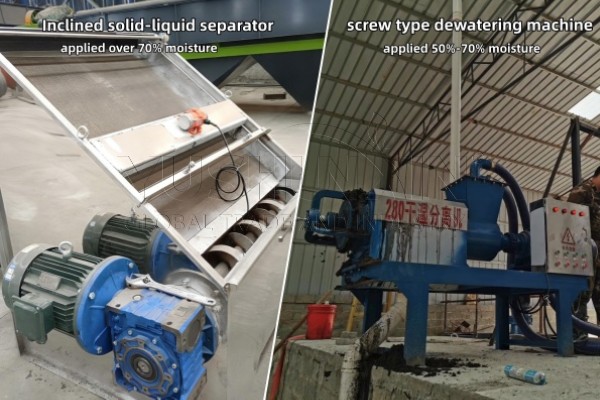
Wet manure may require mechanical solid–liquid separation before composting. Alternatively, the plant can mix it with straw, sawdust, rice husks or other suitable dry materials when these additives are consistently available.
Mechanical dewatering reduces the amount of liquid entering subsequent equipment, but the project must have a plan for handling the separated liquid. Dry bulking materials can improve pile structure, although their price, storage space and supply stability affect operating costs.
Understanding the properties and common uses of cow dung as an agricultural material provides useful background, but an industrial project still requires site-specific feedstock testing.
Decide Between Powder and Granule Production
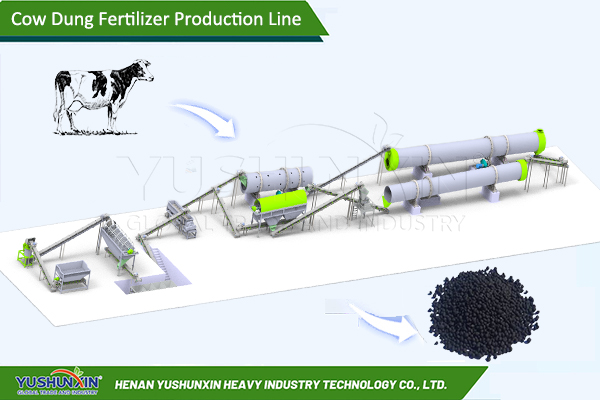
A powder cow dung fertilizer processing setup normally includes composting, crushing, screening and packaging. It suits projects that serve nearby farms or markets where buyers accept loose or bagged powdered fertilizer.
Granule production adds mixing, granulation and further product-conditioning stages. A cow manure granulation plant for market-ready pellets can provide a more standardized physical product, but it also requires greater equipment investment, energy supply and process control.
Buyers should confirm the intended product format with distributors before ordering machinery. Installing a full granulation system offers little value when the local market mainly purchases low-cost compost powder.
Size the Composting Section Before the Finishing Line
The hourly capacity of the crusher or granulator does not determine the complete plant capacity by itself. Composting takes considerably longer than crushing, screening or packaging, so the fermentation area often becomes the main sizing constraint.
Project calculations should consider daily manure volume, moisture-adjusted material volume, retention time and available working space. The selected turning method must also match the planned pile or trench dimensions.
A broader overview of complete organic fertilizer production options can help buyers compare powder, granule and bio-organic fertilizer routes.
Give the Supplier Project-Specific Data
A reliable quotation should reflect the cattle population, manure collection method, daily raw-material volume, measured moisture, available additives, desired product and local electricity supply. Building dimensions and environmental-control expectations also influence the layout.
With these inputs, the supplier can prepare a customized cow dung fertilizer plant design instead of offering a generic equipment list. Buyers can learn more about the available process routes and equipment configurations here.
For complete project information, visit:
https://fertilizerequipmentmanufacturer.com/how-to-make-organic-fertilizer-from-cow-dung/