What Is the Importance of Granulators in Carbon-Based Fertilizer Manufacturing from Chicken Manure?

The production of carbon-based fertilizer from chicken manure requires a well-organized process and precise machinery selection. Chicken manure or bird dung contains abundant organic matter, but direct application causes odor, pathogens, and inefficient nutrient utilization. A stable manufacturing process transforms raw poultry manure into carbon-based fertilizer granules with better storage, transportation, and application performance. Within this procedure, granulators play a decisive role in turning powdery materials into uniform particles, connecting upstream preparation with downstream packaging. By understanding suitable raw materials, process requirements, and machine features, customers obtain clear guidance for efficient fertilizer production.


What Kinds of Raw Materials Suit Carbon-Based Fertilizer Manufacturing from Chicken Manure?

Raw material selection determines the quality of carbon-based fertilizer. Chicken manure remains the primary source because it contains nitrogen, phosphorus, and potassium in balanced proportions. However, carbon-based fertilizer manufacturing usually requires a mix of poultry dung and other carbon-rich feedstocks. Crop straws, corn stalks, rice husk, sawdust, and charcoal powder provide additional carbon content, improving the stability of finished granules. Some producers also add mushroom residue, bean dregs, or green waste to regulate the carbon-to-nitrogen ratio.

Through compost machines, these raw materials undergo microbial fermentation, where high-temperature decomposition eliminates pathogens and odor. After composting, a crushing machine or carbon fertilizer grinder reduces the bulk into fine powder, ensuring uniformity. Powdery chicken manure mixed with carbonized substances then enters the granulation procedure. At this stage, the material achieves the physical form required for long-term storage, controlled release, and easy transportation. Without proper raw material preparation, the granulation effect remains unstable, and the final fertilizer lacks consistency.
Organic Fertilizer Raw Materials

Why Do Granulators Become Essential in Chicken Manure Carbon-Based Fertilizer Production?

Granulators transform loose, fine, powdery chicken manure compost into structured particles. This step ensures that carbon-based fertilizer acquires uniform size, higher density, and lower moisture variation. For customers, granulation enhances both product appearance and market value. In the production line, granulation machines such as disc granulators, flat die granulators, double roller extrusion granulators, drum granulators, and new type organic fertilizer granulators are widely adopted. Each model provides specific benefits according to raw material moisture, investment plan, and capacity requirement.

Disc granulators allow continuous pellet making with flexible adjustment of particle size. Double roller extrusion granulators operate without drying, which suits medium-scale manufacturers who focus on energy savings. Drum granulators provide large-scale continuous production, while flat die granulators handle powdered feedstock with stable shaping. The choice of equipment depends on the powder properties of composted chicken manure and the level of carbonized additives. Granulation not only improves handling but also connects with drying machines, cooling machines, and packing machines in an integrated production line. Without granulation, the carbon-based fertilizer remains in fragile powder form, which increases dust, reduces market acceptance, and complicates packaging.

granulator machine

How Do Other Machines Support the Chicken Manure Carbon-Based Fertilizer Process?

The carbon-based fertilizer production procedure forms a chain where each piece of equipment supports the next step. Carbonization equipment such as biomass furnaces provides biochar powder that mixes with chicken dung. Crushing machines convert bulky compost into fine powder, ensuring better granulation performance. Drying machines reduce moisture content after granulation, preserving the hardness and stability of the fertilizer pellets. Finally, packing machines ensure safe storage and convenient distribution. Each unit in the line interacts with the granulator, since the granulator requires uniform powder input and delivers stable granules for drying and packaging. Customers who plan to invest in a complete production line should evaluate the compatibility of composting, crushing, granulating, drying, and packaging machinery for stable operation.


Conclusion

The transformation of chicken manure into carbon-based fertilizer involves a sequence of preparation, powder processing, and granulation stages. Suitable raw materials such as poultry dung, crop residues, and charcoal powder provide the foundation, while compost machines and crushing machines prepare the powdery feedstock. Granulators act as the core equipment that converts loose material into valuable granules or pellets, ensuring market competitiveness. Drying, cooling, and packing machinery then safeguard quality until delivery.

For customers who pursue efficiency, stable performance, and reliable after-sales service, cooperation with a professional fertilizer equipment manufacturer provides long-term benefits. A professional fertilizer equipment manufacturer—Yushunxin—offers comprehensive solutions that include granulators, compost machines, carbonization furnaces, and other supporting machinery, helping chicken manure carbon-based fertilizer production achieve higher value and stronger competitiveness. You can visit: https://www.charbasedfertilizermachine.com/product/chicken-dung-and-biochar-as-fertilizer/

Эффективная линия дисковой грануляции — проще и эффективнее производство гранул

В современном промышленном производстве процесс грануляции широко применяется в таких отраслях, как производство удобрений, химическая промышленность, металлургия, строительные материалы и другие. Как важное оборудование для грануляции, линия дисковой грануляции благодаря своей простой конструкции, удобству эксплуатации и высокой эффективности гранулирования стала идеальным выбором для многих предприятий. Сегодня мы поговорим о характеристиках линии дисковой грануляции и её преимуществах в реальном производстве.

Different Scales of Mineral Fertilizer Pan Granulator

Принцип работы линии дисковой грануляции

Линия дисковой грануляции состоит главным образом из гранулирующего диска, привода, системы распыления и выпускного отверстия. Во время работы равномерно увлажнённое сырьё поступает во вращающийся грануляционный диск. Под действием центробежной силы, трения и сцепления материал постепенно собирается в шарики. Когда гранулы достигают определённого размера, они выводятся через выпускное отверстие, завершая процесс гранулирования. Весь процесс гранулирования прост и эффективен, гранулы имеют высокую степень образования шаров и однородный размер.

Преимущества линии дисковой грануляции

  1. Высокая эффективность гранулирования: линия использует наклонную регулируемую конструкцию диска, что позволяет лучше контролировать размер и скорость образования гранул, значительно повышая производительность.
  2. Лёгкость эксплуатации и обслуживания: компактная конструкция оборудования облегчает установку и обслуживание, интерфейс управления интуитивно понятен и снижает сложность эксплуатации.
  3. Низкое энергопотребление и износ: оборудование работает плавно, отличается низким энергопотреблением и малым износом деталей, что увеличивает срок службы.
  4. Широкая применимость: подходит для гранулирования различных материалов, особенно органических и комплексных удобрений.
  5. Высокое качество продукции: полученные гранулы имеют красивую шаровидную форму, высокую прочность, удобны для упаковки и транспортировки.
Линия по производству дисковой грануляции мощностью 20 000 тонн

Широкая область применения

Линия дисковой грануляции широко используется в производстве удобрений (органические удобрения, комплексные удобрения, BB-удобрения и др.), химических гранул, горно-металлургической и строительной отраслях. Она подходит как для крупномасштабных заводов, так и для предприятий среднего и малого бизнеса.

Как выбрать подходящую линию дисковой грануляции?

При выборе линии следует учитывать требуемую производительность, свойства сырья, условия площадки, а также подобрать соответствующие спецификации и комплектацию. Также качественное послепродажное обслуживание и техническая поддержка являются важными факторами для бесперебойной работы производства.

С ростом требований к экологичности и эффективности производства линия дисковой грануляции благодаря своим превосходным характеристикам и широкой применимости всё чаще используется предприятиями. Выбор эффективной и надёжной линии позволяет повысить качество продукции и принести предприятию большую экономическую выгоду. Если у вас есть соответствующие потребности, свяжитесь с нами — мы предложим профессиональное оборудование и техническую поддержку! Более подробную информацию можно найти на сайте:https://www.sxmashina.com/liniya-po-proizvodstvu-diskovoy-granulyatsii/

Дисковый гранулятор: экономичный выбор для малых и средних производств удобрений!

На рынке оборудования для гранулирования удобрений роторные барабанные грануляторы и экструзионные грануляторы часто вызывают жаркие споры. Однако для малых и средних фермерских хозяйств и заводов по производству удобрений дисковые грануляторы — настоящая находка. Они не только просты в эксплуатации и экономичны, но и стабильно производят высококачественные гранулированные удобрения, что делает их идеальным выбором для большинства малых и средних производственных предприятий. Сегодня мы подробно рассмотрим дисковые грануляторы и выясним, почему они стали предпочтительным выбором для многих производителей.

Российский-заказчик-приобрел-два-тарельчатых-гранулятора для-производство-бентонитового-наполнителя

Почему дисковые грануляторы так популярны среди малых и средних производителей? Три основных преимущества незаменимы.

  1. Низкая стоимость и низкий порог входа, что делает их простыми в использовании даже для новичков.

По сравнению с экструзионными грануляторами, требующими систем высокого давления, и роторными барабанными грануляторами, занимающими большую площадь, стоимость тарельчатых грануляторов составляет всего 60–70% от стоимости роторных барабанных грануляторов той же производительности и не требует сложного вспомогательного оборудования (например, больших сушилок). Эксплуатация ещё более проста. Простая регулировка наклона диска (обычно 15–25°) и скорости вращения (15–30 об/мин) позволяет новичку освоить процесс всего за 1–2 дня, избавляя от необходимости тратить время и средства на профессиональное обучение.

  1. Высокая округлость гранул, стабильное качество и высокая конкурентоспособность на рынке

Тарельчатый гранулятор производит гранулы методом «вальцовой агломерации» внутри диска. Получаемые гранулы имеют округлость более 90% и однородный размер (обычно регулируемый в диапазоне 2–5 мм). По внешнему виду они значительно превосходят гранулы неправильной формы, получаемые при обычной экструзионной грануляции. Для производителей удобрений, ориентированных на розничные рынки, эти привлекательные гранулы повышают узнаваемость продукта и могут даже предлагать наценку 5–10% по сравнению с аналогичными продуктами. Кроме того, умеренная твёрдость гранул (степень разрушения ≤3%) облегчает транспортировку, обеспечивая медленное высвобождение питательных веществ, что идеально подходит для роста растений.

  1. Широкая адаптируемость и низкое энергопотребление: отсутствие шероховатостей, экономия средств

Дисковый гранулятор легко справляется с любыми видами удобрений: органическими, сложными удобрениями или трудногранулируемыми материалами с высокой влажностью (например, навозными смесями и гуминовыми удобрениями), устраняя необходимость в частой смене пресс-форм или корректировке технологического процесса. Он также обеспечивает существенную экономию энергии — его удельное энергопотребление составляет всего 50% от энергопотребления экструзионного гранулятора и 70% от энергопотребления барабанного гранулятора. При ежедневном производстве 10 тонн гранулированных удобрений это позволяет сэкономить 3000–5000 юаней на оплате электроэнергии в месяц, что является значительной экономией для производителей в долгосрочной перспективе.

Тарельчатый гранулятор с несколькими углами

II. Как использовать дисковый гранулятор? 4 практических совета по повышению эффективности производства

  1. Контроль влажности материала — ключ к успешной грануляции

Чрезмерно высокая влажность материала может легко привести к комкованию гранул, а слишком низкая затрудняет грануляцию. Обычно влажность при гранулировании органических удобрений следует контролировать в пределах от 25% до 35%, а для сложных удобрений — от 12% до 18%. Если влажность не соответствует желаемой, отрегулируйте влажность материала, просушив его на солнце (для органических удобрений) или слегка сбрызнув водой (для сложных удобрений), чтобы материал удерживался в комковатом состоянии и легко распадался при легком сжатии.

  1. Правильно отрегулируйте угол наклона и скорость вращения, чтобы избежать образования «слишком мелких частиц» или «отсутствия гранул».

Если частицы слишком мелкие, увеличьте угол наклона диска (каждое увеличение на 1–2° ускоряет агломерацию гранул) или уменьшите скорость вращения, чтобы увеличить время пребывания материала в диске.

Если гранулы не образуются, уменьшите угол наклона и увеличьте скорость вращения, чтобы усилить эффект перемешивания при перемешивании. Рекомендуется установить угол наклона 20° и скорость вращения 20 об/мин для первоначального запуска, затем отрегулировать настройки в зависимости от образования гранул.

  1. Регулярно проверяйте расходные детали, чтобы продлить срок службы оборудования.

Основными расходными деталями дискового гранулятора являются футеровка диска (обычно изготовленная из износостойкой резины или высокохромистого чугуна) и защитная кромка. Рекомендуется проводить еженедельные проверки. Если на внутренней футеровке имеются признаки локального износа, немедленно отремонтируйте ее с помощью износостойких заплат. Деформированные перегородки следует своевременно ремонтировать или заменять, чтобы предотвратить утечку материала через край диска и снижение эффективности грануляции.

  1. Используйте простую просеивающую машину для уменьшения отходов сырья

В процессе грануляции неизбежно образуется небольшое количество слишком мелкого порошка (обычно 2–5%). Рекомендуется использовать небольшое вибросито на выходе тарельчатого гранулятора для отсеивания мелкого порошка и его возврата на тарельчатый гранулятор для вторичной грануляции. Это может повысить степень использования сырья до более чем 98%, сократив отходы и снизив производственные затраты.

III. Для каких целей подходит тарельчатый гранулятор? Ознакомьтесь с этим, прежде чем принять решение, чтобы избежать ошибок.

  1. Лучший выбор для малых и средних производителей

Если ваш годовой объём производства составляет менее 100 000 тонн (например, семейные фермы, сельские мастерские по производству удобрений или небольшие заводы по производству удобрений), производительность дискового гранулятора (обычно 1–15 тонн/час) полностью удовлетворит ваши потребности. Он не требует большой площади (для одного агрегата требуется всего 10–20 квадратных метров) и отличается гибкостью монтажа.

  1. Незаменимая вещь для производителей, специализирующихся на высококачественных гранулированных удобрениях

Если вы производите удобрения преимущественно для розничной продажи или стремитесь выйти на рынок высококачественных посадочных материалов (например, для выращивания фруктов, овощей или цветов), гранулы высокой округлой формы, получаемые дисковым гранулятором, помогут вам выделить свой продукт на фоне конкурентов и быстро выйти на рынок.

  1. Лучший выбор для производителей с ограниченным бюджетом, желающих контролировать расходы

Для начинающих производителей удобрений или фермеров с ограниченным бюджетом низкая стоимость, низкое энергопотребление и простота обслуживания дискового гранулятора могут значительно снизить риски запуска и эксплуатационные расходы, обеспечивая более стабильное производство.

Вывод: Выбор правильного оборудования упрощает производство удобрений

Дисковый гранулятор не обладает высокой производительностью барабанного гранулятора и прочностью экструзионного, но его экономичность, простота эксплуатации и стабильное качество делают его оптимальным решением для малых и средних предприятий по производству удобрений. Если вы затрудняетесь с выбором оборудования для грануляции, рассмотрите дисковый гранулятор — он, возможно, и не гарантирует мгновенного успеха, но, безусловно, поможет вам уверенно двигаться вперед и избежать ошибок на пути к производству удобрений.

Если вам нужен расчет стоимости дискового гранулятора с определенной производительностью или индивидуальный план производства с учетом характеристик материала, оставьте комментарий в разделе комментариев, и мы предоставим вам персональную профессиональную консультацию! Подробнее на сайте:https://www.sxmashina.com/tarelchatyy-granulyator/

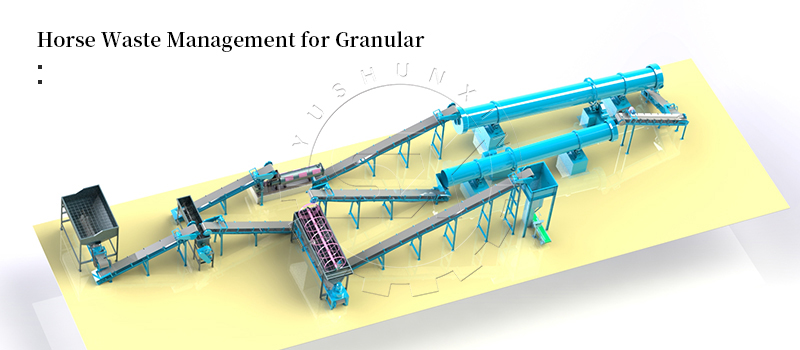
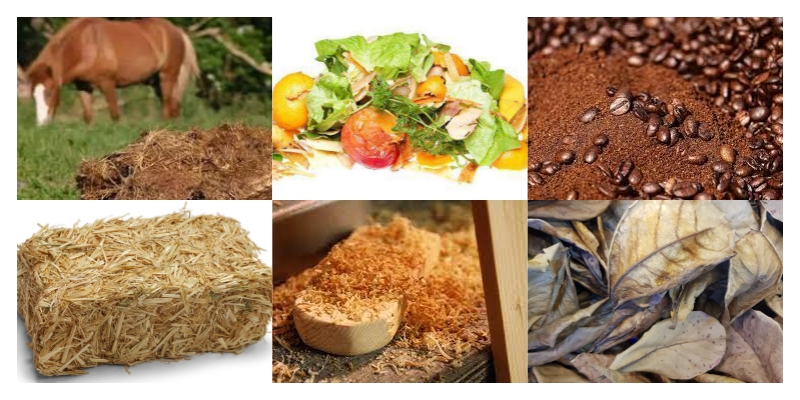
Harnessing the Power of Horse Manure: A Guide to Bio Fertilizer Production Units

In an era where sustainable agriculture is taking center stage, converting waste into valuable resources has become more important than ever. Horse manure, often considered a waste product, can be transformed into a potent bio fertilizer, offering numerous benefits for crop production and soil health. If you’re interested in setting up a horse manure bio fertilizer production line, this guide will introduce you to the essentials and direct you to our solutions tailored to meet your needs.

1. Understanding the Value of Horse Manure

Horse manure is rich in nutrients like nitrogen, phosphorus, and potassium, which are essential for plant growth. When processed correctly, it becomes an excellent organic fertilizer that improves soil structure, promotes microbial activity, and enhances water retention. Transforming horse manure into bio fertilizer not only addresses waste management issues but also contributes to sustainable farming practices.

2. The Bio Fertilizer Production Process

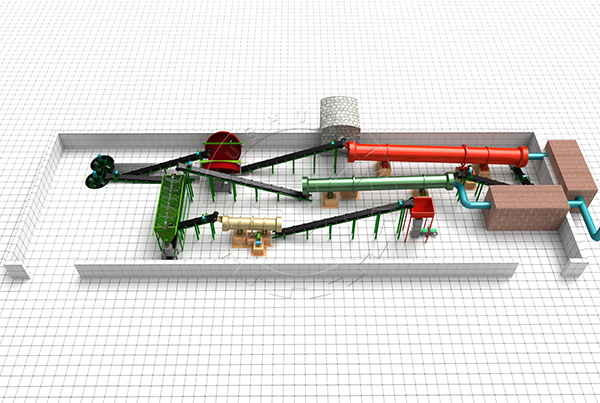
Setting up a horse manure bio fertilizer manufacturing line involves several key steps:

  • Collection and Preparation: Gather horse manure from stables and remove any debris. This step ensures that the raw material is clean and ready for processing.
  • Composting: Composting is a critical phase where the manure undergoes aerobic decomposition. This process stabilizes the manure and reduces pathogens, resulting in a nutrient-rich compost.
  • Granulation: In this step, the composted manure is processed into granules, making it easier to handle, store, and apply. Granulation also enhances the fertilizer’s effectiveness by ensuring a slow and steady release of nutrients.
  • Packaging and Distribution: The final product is packaged for distribution. Attractive and informative packaging can help in marketing the product to farmers and retailers.

3. Equipment and Technology

Investing in the right equipment is crucial for efficient production. Our range of bio fertilizer production units includes advanced compost turners, granulators, and packaging machines designed to streamline the process. These machines are robust, energy-efficient, and user-friendly, ensuring that you get the best return on your investment. Click here to get more!

4. Economic and Environmental Benefits

By setting up a horse manure bio fertilizer making plant, you are not only creating a profitable business opportunity but also contributing to environmental conservation. Reducing chemical fertilizer dependency, lowering greenhouse gas emissions, and improving soil health are some of the key benefits.

Conclusion: Transforming Waste into Wealth

The transition from waste to a valuable resource is a powerful step towards sustainable agriculture. Our horse manure bio fertilizer production units are designed to help you achieve this goal efficiently and effectively. Visit our website to explore our comprehensive solutions and take the first step towards a more sustainable and profitable farming future. Welcome to visit: https://www.biofertilizerproduction.com/product/horse-manure-bio-fertilizer-production-unit/

What Safety Measures Should Be Considered When Operating Granulating Equipment for Lime Powder?

Lime powder granulation plays a crucial role across various industries, especially in fertilizer manufacturing. However, the operation of lime powder granulating equipment presents specific risks and requires strict safety measures. This article examines important safety precautions, details suitable raw materials for fertilizer production, and highlights essential equipment features tailored to the demands of efficient and secure lime powder pelletization processes.


What Types of Raw Materials Suit Lime-Based Fertilizer Granulation Procedures?

When considering fertilizer production, industries select raw materials according to desired product characteristics. For lime-based fertilizer granule making, lime powder, limestone, and lime rock remain common choices. Each raw material brings unique benefits and requirements for the granulation process.

For agricultural and horticultural industries, fine lime powder offers rapid soil pH adjustment, supporting plant nutrient absorption. In environmental remediation, limestone granules help neutralize acidic conditions in water and soil. Waste treatment sectors may prefer robust lime rock particles for odor control and heavy metal stabilization. Each raw material—whether powder, rock, or processed limestone—demands specific granulating machinery settings, such as moisture content and compression force, ensuring pellet uniformity and structural integrity. Machine operators must evaluate the chemical reactivity, dust generation, and particle size of the chosen material, thus optimizing the granulation method for each industry application.

Limestone Powder Granulator

Which Equipment Features Ensure Safe and Efficient Lime Powder Granule Production?

Lime powder granulating machinery incorporates several features to maintain safety and process reliability during pellet making. Loader type feeders automate material input, reducing human exposure to airborne dust. Crain crushers grind large lime rocks into consistent sizes, minimizing jamming risks in downstream equipment. Horizontal mixers blend lime powder with binders, ensuring uniform moisture distribution critical for extrusion or compaction.

The double roller extrusion granulator serves as the core device for dry lime powder granule manufacturing. It uses mechanical pressure to compact powder into uniform particles without moisture addition, thus preventing potential chemical reactions and reducing explosion hazards associated with wet processes. Rotary screening machines separate oversized or undersized pellets, guaranteeing product quality and minimizing rework. Automatic packaging scales and belt conveyors further automate material handling, reducing manual lifting and the potential for workplace accidents. Each equipment component must include dust extraction systems, emergency stop mechanisms, and overload protection, ensuring both operator safety and process continuity throughout the entire fertilizer pelletizing line.


What Are the Key Safety Precautions for Operating Lime Powder Granulating Equipment?

Operators must prioritize safety at every stage of the lime powder granulation process. Specific hazards arise from lime dust inhalation, high-temperature particle formation, and mechanical movements within the granulator or pelletizer. Staff should receive thorough training on machinery operation, lock-out/tag-out procedures, and emergency protocols. Proper personal protective equipment—including respiratory masks, goggles, and chemical-resistant gloves—remains essential due to the caustic nature of lime powder and the mechanical risks associated with pellet making equipment.

Routine inspection and maintenance of machinery prevent unplanned downtimes and mechanical failures. Operators should regularly check for worn extruder or roller parts, ensure proper functioning of dust collection systems, and verify that safety interlocks remain engaged during all production or pelletizing stages. Additionally, workspace ventilation systems must efficiently remove airborne lime particles, safeguarding respiratory health. Following strict cleaning and shutdown procedures further minimizes the risk of accidental chemical reactions or equipment damage during lime powder granule production.


Conclusion

To ensure safe and effective lime powder fertilizer granulation, manufacturers must carefully select raw materials, invest in advanced granulating equipment, and rigorously enforce operational safety protocols. Each production stage—from initial material preparation to double roller extrusion and final packaging—requires machinery equipped with protective features, comprehensive operator training, and consistent maintenance.

For those seeking reliable and secure solutions for lime powder granule or pellet production, a professional fertilizer equipment manufacturer such as Yushunxin offers specialized machinery and technical support tailored to the unique needs of lime fertilizer granulation industries. By implementing these safety measures and using high-quality equipment, manufacturers can maximize productivity while protecting their workforce and ensuring long-term operational success. You can visit: https://www.extruder-granulator.com/product/limestone-powder-granulation-machine/

What Are the Hidden Costs in NPK Fertilizer Production Line Setup?

Establishing an NPK fertilizer production line involves more than simply purchasing machines and starting the manufacturing process. Many investors overlook various hidden costs that can significantly impact the compound fertilizer plant cost and the overall profitability of the project. Understanding these additional expenses will enable you to plan your fertilizer granulation project with greater accuracy and efficiency.


Which Raw Materials Increase NPK Fertilizer Production Plant Cost?

The selection of suitable raw materials for NPK/compound fertilizer granulation, such as urea, ammonium nitrate, ammonium sulfate, potassium chloride, and diammonium phosphate, plays a critical role in determining the fertilizer production line setup cost. Every type of material has unique properties and moisture content, affecting the granulating process and the choice of equipment. Some materials, for example, may require pre-processing with a crushing machine to achieve the optimal particle size for pelletizing or ball making. Others may demand special storage and handling facilities, especially if they are prone to moisture absorption or corrosion.

NPK Fertilizer Production Raw Materials

Different fertilizer raw materials also have varying prices, which can fluctuate with market demand. For instance, the cost of potassium-based compounds or specialty additives may increase the total npk fertilizer manufacturing plant cost beyond initial predictions. When choosing materials, consider not only the market price but also delivery logistics, storage infrastructure, and potential losses during handling, all of which add to the npk fertilizer factory cost.


How Do Equipment Choices and Features Affect Fertilizer Granulation Line Cost?

The selection and configuration of compound fertilizer pelletizer machinery directly impact the npk fertilizer plant investment. Each machine in the production process—such as the batching machine, rotary drum granulator, disc granulator, or double roller extrusion granulator—comes with its own price, capacity, energy requirements, and maintenance needs. For example, rotary drying and cooling machines consume significant amounts of energy and may require additional dust collection systems, increasing both the fertilizer granulation plant cost and future operational expenses.

Automated control systems, durable materials for machine construction, and advanced safety features can ensure long-term stability but result in a higher initial fertilizer production line cost. Furthermore, the compatibility between different pellet making and screening machines must be evaluated carefully. Incompatible equipment may lead to higher maintenance, frequent downtime, or even production delays, thereby inflating the compound fertilizer production plant cost.

NPK Granulation Process

What Other Hidden Costs Should NPK Fertilizer Project Investors Consider?

While the focus often remains on machinery and raw materials, several other factors contribute to the hidden costs of setting up a fertilizer pelletizing plant. Utility costs, including electricity and water consumption for manufacturing processes, often fluctuate based on the local environment and production scale. Waste management procedures, such as the treatment of dust or off-gases from the granulating and drying sections, may require additional investment in environmental protection equipment.

Installation and commissioning fees, operator training, and regular equipment maintenance represent ongoing financial commitments. Delays in production start-up, caused by incomplete documentation or local regulatory requirements, can also raise the overall npk fertilizer plant setup cost. Investors should also budget for spare parts and technical support, as these are vital for minimizing downtime and protecting the return on investment in fertilizer granule production.


How Can Investors Optimize the Compound Fertilizer Production Line Setup Cost?

Careful planning and informed selection of each aspect—from raw materials to granulator equipment and auxiliary systems—are essential for keeping the fertilizer manufacturing plant cost within budget. By conducting a thorough cost-benefit analysis, investors can avoid unnecessary expenses and select machinery that meets the specific needs of their fertilizer preparation line.

Partnering with a professional fertilizer equipment manufacturer, such as Yushunxin, provides access to reliable solutions for granulating, pellet making, and compound fertilizer plant setup. Expert guidance can help you reduce hidden costs, streamline operations, and maximize the long-term profitability of your npk fertilizer production plant. You can visit: https://www.fertilizerproductequipment.com/npk-fetilizer-plant-cost/

Дисковый гранулятор бентонита — идеальный выбор для эффективного гранулирования

С развитием индустриализации бентонит, как отличный неметаллический минеральный материал, широко применяется в экологической защите, литейном производстве, буровых растворах, производстве железорудных окатышей и других отраслях. Чтобы удовлетворить требования различных областей применения, к технологии гранулирования бентонита предъявляются всё более высокие требования. Среди множества грануляционных установок дисковый гранулятор выделяется отличными результатами формирования гранул и высокой эффективностью, становясь идеальным выбором для производства бентонитовых гранул.

Российский-заказчик-приобрел-два-тарельчатых-гранулятора для-производство-бентонитового-наполнителя

1. Принцип работы дискового гранулятора

Дисковый гранулятор бентонита состоит в основном из диска, механизма регулировки угла наклона, привода, скребка и других деталей. Материал равномерно подается в центр вращающегося диска, и под действием трения и центробежной силы постепенно скатывается в шарики. Система разбрызгивания воды увлажняет материал для лучшего сцепления. Регулируя угол наклона, частоту вращения и количество добавляемой воды, можно гибко контролировать размер гранул и процент формирования окатышей.

2. Преимущества дискового гранулятора бентонита

  1. Равномерный размер гранул, высокая степень образования окатышей
    Дисковый гранулятор позволяет эффективно контролировать диаметр гранул, получая однородные и ровные бентонитовые шарики. Степень образования окатышей превышает 90%, что значительно повышает производительность.
  2. Простота эксплуатации и обслуживания
    Конструкция дискового гранулятора проста, персонал быстро обучается работе, а узлы легко обслуживаются и заменяются, что снижает эксплуатационные расходы.
  3. Экологичность, энергоэффективность, высокий уровень автоматизации
    Процесс гранулирования полностью закрыт, что снижает выброс пыли и улучшает условия труда. Могут быть установлены системы автоматической подачи воды и сырья, что повышает уровень автоматизации.
  4. Широкая применимость
    Дисковый гранулятор подходит не только для бентонита, но и для многих других порошкообразных и мелкозернистых материалов, применяемых в металлургии, строительстве, химической и сельскохозяйственной отраслях.
Применение-частиц-бентонитового-наполнителя

3. Пример применения дискового гранулятора бентонита

В одной экологической компании был внедрён наш дисковый гранулятор бентонита с производительностью 5–10 тонн в час. Полученные гранулы однородны по размеру, что полностью соответствует строгим требованиям производства железорудных окатышей. Оборудование работает стабильно, отличается низким энергопотреблением и позволяет значительно снизить производственные затраты, что получило высокую оценку заказчика.

4. Рекомендации по выбору и гарантия обслуживания

При выборе дискового гранулятора для бентонита рекомендуется учитывать требуемую производительность, характеристики сырья и условия цеха, а также делать выбор в пользу опытных производителей с хорошей сервисной поддержкой. Мы предоставляем полный спектр услуг: от проектирования решения и подбора оборудования до монтажа, пусконаладки и сервисного обслуживания — всё для вашей эффективной и стабильной работы.


Дисковый гранулятор бентонита благодаря своей эффективности, энергосбережению и простоте эксплуатации стал ключевым оборудованием в линиях по гранулированию бентонита. Если у вас есть вопросы по приобретению оборудования или консультации по технологии, свяжитесь с нами — мы подберём для вас оптимальное решение! Более подробную информацию можно найти на сайте:https://www.granulyator.com/product/granulyator-bentonita/

Top 3 Liquid Fertilizer Manufacturing Lines for Efficient Production

Liquid fertilizers are gaining widespread popularity due to their fast absorption, compatibility with irrigation systems, and precision nutrient delivery. For businesses looking to enter or upgrade in this sector, investing in the right manufacturing line is crucial. Here are the top 3 types of liquid fertilizer manufacturing lines that stand out for efficiency, scalability, and market versatility.

1. Automatic Batch Mixing Line

This is the most widely used system for producing custom liquid fertilizer blends in small to medium-scale operations. It involves batching tanks, mixers, storage tanks, filtration systems, and automated dosing controls. Nutrients like urea, potassium nitrate, or phosphoric acid are added in specific ratios based on target formulas.

Key Advantages:

  • High precision in nutrient ratios
  • Flexible formulation adjustments
  • Suitable for production of NPK liquids, foliar fertilizers, and micro-nutrient blends

Ideal For: Agricultural cooperatives, regional fertilizer manufacturers, or contract blenders serving local farms.

2. Continuous Flow Liquid Fertilizer Line

This system is ideal for high-volume production with consistent formulation. The process involves continuous feeding of raw materials, in-line mixers, heating systems (if needed), and real-time quality monitoring. Nutrients and additives are dosed through metering pumps, ensuring minimal variation.

Key Advantages:

  • High output and production speed
  • Reduced labor and downtime
  • Suitable for mass-market liquid fertilizers

Ideal For: Large-scale producers or export-oriented businesses targeting commercial farms or distributors. Learn more.

3. Organic Liquid Fertilizer Fermentation Line

Designed for producing iquid fertilizers from organic waste. such as poultry manure, food waste, seaweed, or compost extracts. This line includes a fermentation tank (aerobic or anaerobic), filtration unit, stabilizing tank, and sterilization modules. It often integrates microbial inoculants or biostimulants.

Key Advantages:

  • Aligns with sustainable agriculture trends
  • Adds value to agricultural and food waste
  • High-margin product potential for eco-conscious markets

Ideal For: Companies focused on organic agriculture, waste recycling, or eco-branded fertilizer production.

Final Thoughts

Choosing the right liquid fertilizer manufacturing line depends on your target market, raw materials, and production capacity. Whether you’re entering the business with a small custom-blending unit or scaling up to serve international markets, modern equipment with automation, dosing accuracy, and flexible integration will ensure long-term success. Investing in the right system not only boosts production but also opens doors to higher value fertilizer segments. If you are interested in the project, you can visit https://fertilizerequipmentmanufacturer.com/liquid-fertilizer-production-line/

Угольный сухой гранулятор: идеальное сочетание повышения эффективности и экологичного производства

С развитием промышленных технологий и повышением требований к материалам, технология производства углерода также значительно прогрессирует. Среди них угольный сухой гранулятор, как эффективное и экологичное оборудование, находит все большее применение на предприятиях. В этой статье мы подробно рассмотрим принцип работы, технические преимущества и применение угольного сухого гранулятора в промышленности.

Продаётся-машина-для-гранулирования-технического-углерода

Принцип работы угольного сухого гранулятора

Основной принцип работы угольного сухого гранулятора заключается в использовании механической силы для сжатия углеродного порошка в гранулы без добавления связующих или жидких сред. Основные этапы работы следующие:

  1. Подача материала: Углеродный порошок поступает в гранулятор с помощью точного дозирующего устройства. Стабильная и равномерная подача материала имеет решающее значение для обеспечения качества конечных гранул.
  2. Сжатие: Углеродный порошок подвергается сжатию под высоким давлением между вращающимися роликами, превращаясь в пластинки. Этот процесс проходит без участия жидкостей, поэтому называется “сухим” гранулированием.
  3. Дробление и формирование: Прессованный материал дробится в равномерные гранулы с помощью дробилки. Одновременно оборудование для формирования оптимизирует форму и размер гранул.
  4. Просеивание: Финальные гранулы подвергаются просеиванию для удаления слишком больших или слишком маленьких частиц, что обеспечивает однородное качество продукта.

Технические преимущества угольного сухого гранулятора

  • Отсутствие необходимости в связующих: В отличие от влажного гранулирования, сухое гранулирование не требует добавления жидкостей или связующих, что упрощает производственный процесс и снижает издержки.
  • Экологичность: Поскольку процесс не включает обработку жидкостей, он снижает образование сточных вод и соответствует современным экологическим требованиям.
  • Высокая эффективность: Сухие грануляторы обычно обладают высокой производительностью, удовлетворяя потребности в массовом промышленном производстве.
  • Свойства продукта: Гранулы, полученные методом сухого гранулирования, обладают хорошей текучестью и дисперсностью, что делает их подходящими для множества применений.

Области применения

  1. Резиновая промышленность: В шинах и других резиновых изделиях углеродные гранулы используются как наполнитель и усилитель, повышая износостойкость и прочность на разрыв.
  2. Пластмассы и покрытия: Углерод широко применяется в качестве цветового и функционального добавки в пластмассы и покрытия, обеспечивая отличные цветовые эффекты и защиту от ультрафиолета.
  3. Электронные материалы: Углеродные гранулы используются в электронной промышленности как проводящий наполнитель, находя применение в кабелях, полупроводниках и других областях.

Перспективы на будущее

С учетом ужесточения экологических норм и изменений в рыночных требованиях, угольный сухой гранулятор будет играть все более важную роль в будущем промышленного производства. Благодаря инновациям и модернизации оборудования, процесс сухого гранулирования будет и дальше повышать производственную эффективность, снижать энергозатраты и обеспечивать более высокую экономическую и экологическую эффективность.

В итоге, угольный сухой гранулятор благодаря своим эффективным и экологичным характеристикам становится основным выбором в области производства углерода. Он не только улучшает качество продукции и производственную эффективность, но и поддерживает устойчивое развитие предприятий. В перспективе технологии сухого гранулирования углерода будут играть еще более значимую роль в промышленных приложениях. Более подробную информацию можно найти на сайте:https://www.granulyator.com/product/granulyator-tekhnicheskogo-ugleroda/

What Is the Process of Making Carbon Fertilizer from Powdered Poultry Waste?

Carbon-based fertilizer production from poultry manure offers an efficient and sustainable method for recycling bird dung into value-added agricultural products. In this blog, readers can gain a comprehensive understanding of how powdered chicken manure transforms into carbon fertilizer granules through a series of specialized steps and equipment. By focusing on raw material selection and the technical aspects of the granulation procedure, this article provides an in-depth look at the production process, while highlighting essential machinery and operational considerations.


What Raw Materials Can Be Used for Producing Carbon-Based Fertilizer from Chicken Manure?

The selection of appropriate raw materials forms the foundation of high-quality carbon fertilizer production. Chicken manure, including both fresh and aged bird dung, can serve as the primary ingredient due to its rich nutrient profile and availability. In addition to chicken waste, poultry farmers and fertilizer producers often combine other organic materials such as straw, rice husks, sawdust, and even small quantities of animal bedding. These supplementary materials can enhance the carbon content and improve the physical structure of the finished fertilizer pellets.

After collection, the chicken manure and auxiliary organic substrates undergo a drying process to achieve a powdery consistency. Moisture reduction represents a critical step, as excess water can hinder subsequent grinding and granulating operations. Once dried, the mixture is mechanically crushed, using a poultry manure crusher or a carbon fertilizer grinder machine, to obtain a fine powder suitable for further processing. This powder becomes the starting point for manufacturing carbon-based fertilizer granules, ensuring high efficiency in the granulation stage and promoting better nutrient release in soil applications.

Organic Fertilizer Raw Materials

How Does the Production Process Transform Powdered Chicken Manure into Carbon Fertilizer Granules?

The transformation of powdered bird manure into carbon-rich fertilizer granules involves several key steps and specialized machinery. First, the dried and crushed poultry dung powder undergoes a carbonization procedure in a furnace or carbonization equipment. This step converts organic matter into charcoal-like material, increasing the content of stable carbon while eliminating pathogens and unpleasant odors. The carbonized powder then cools before moving on to the next phase.

In the subsequent stage, the carbonized chicken manure powder is blended with binders or nutrient additives if required. This mixture enters a granulating system, which could include a disc granulator, a double roller extrusion granulator, or a new type organic fertilizer granulator, depending on production scale and granule specifications. The choice of pelletizer or granulator machine directly affects the size, density, and uniformity of the resulting carbon fertilizer granules or pellets.

granulator machine

After granulation, the particles usually pass through a drying machine or rotary dryer to reduce moisture and enhance storage stability. Further screening ensures uniform particle size, while a packing machine completes the process by preparing the finished carbon-based fertilizer for transportation or sale. Producers can adjust each machine and process parameter—including temperature, speed, and moisture level—for optimal pellet making efficiency and quality.


What Are the Key Benefits and Considerations for Chicken Manure Powder Carbon Fertilizer Production?

The entire chicken dung powder granulation process integrates resource recycling and environmental protection. Producers benefit from converting waste into valuable carbon-based fertilizer granules, which can improve soil fertility and carbon sequestration when applied to fields. Consistent granule size and quality result from advanced equipment such as carbonization furnaces, crushing machines, granulators, drying machinery, and automated packing solutions.

When selecting machinery or designing a production line, customers should consider the scale of operation, the type of chicken manure available, and the required properties of the finished carbon fertilizer particles. Proper equipment selection and configuration, such as choosing between a disc granulator or a drum granulator, can maximize production efficiency and product quality.

For those seeking professional guidance and advanced solutions in powdered chicken manure carbon fertilizer production, a reliable equipment manufacturer such as Yushunxin can support process optimization and machinery customization to meet specific needs. By leveraging technical expertise and specialized machinery, producers can enhance the value of poultry waste and contribute to sustainable agriculture. You can visit: https://www.charbasedfertilizermachine.com/product/chicken-dung-and-biochar-as-fertilizer/