How to Design the Layout of a Bulk Blending Fertilizer Plant for Efficient Material Flow

When you plan a bulk blending fertilizer plant, layout affects much more than machine placement. It influences how smoothly materials move, how easily operators manage the line, and how much unnecessary transfer happens between batching, mixing, and packaging. In a typical BB fertilizer line, granular raw materials move from storage to automatic weighing, then to mixing and packaging. A clear process path can reduce repeated handling and leave more room for future expansion.

Start with the Raw Material Area

You can begin by checking how many fertilizer materials you plan to use and how they enter the workshop. Urea, DAP, potash, and other granules may use separate feeding points or silo positions. The number of materials also affects the number of batching bins and the space around the feeding area.

At this stage, the automatic BB fertilizer plant price is only one part of the decision. A compact quotation may look attractive, but long loader routes, crossed conveyors, or repeated material transfer can add operating inconvenience later.
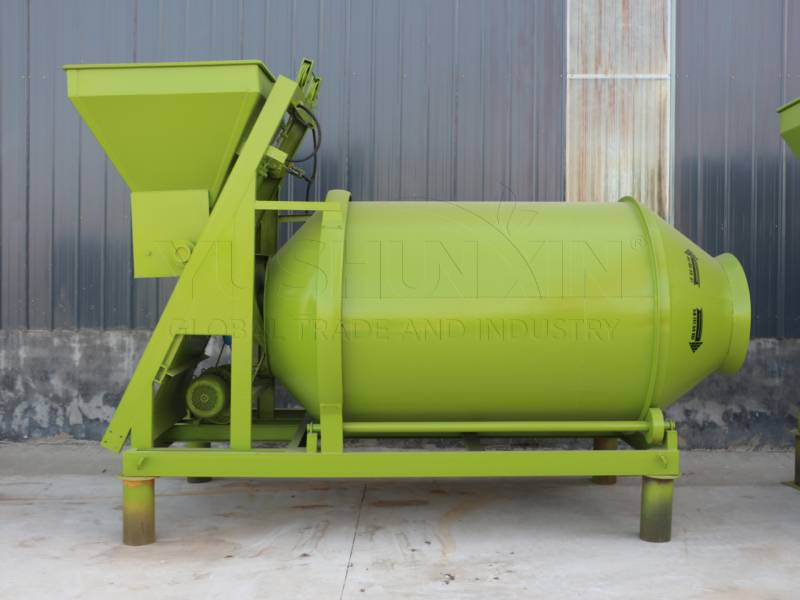
BB Fertilizer Mixer
BB Fertilizer Mixer

Keep Batching Close to Mixing

The batching section can sit close to the mixer so material moves through a short, direct route. You can also leave access around the weighing units, conveyor, and silo for cleaning and inspection.

For a 50 tph bulk blending fertilizer plant, material flow becomes even more important because delays between feeding, weighing, mixing, and discharge can affect the overall production rhythm. If you expect more formulas later, leaving room beside the batching area for extra bins can make expansion easier.

A PLC controlled BB fertilizer plant can coordinate weighing and feeding automatically, but the physical arrangement still influences how smoothly the system operates. Keeping silos, weighing units, conveyors, mixer, and buffer hopper in process order makes the automation easier to follow. Your existing BB fertilizer project materials also use independent PLC control for the dynamic batching section.

Give the Mixer a Clear Discharge Route

The mixer sits at the center of the line. If your materials vary in granule size or bulk density, you can discuss a BB fertilizer mixer for different particle sizes with your supplier. This gives you a practical way to consider mixing time, discharge direction, and segregation control before the product reaches packaging.

Shorter drops and fewer transfer points after mixing can also help limit separation between larger and smaller granules.

Connect Packaging to the Main Flow

You can position packaging after a temporary silo or buffer hopper. The buffer gives the mixing and packing sections more independence and creates a cleaner route toward palletizing, forklift pickup, or finished-product storage.

Click here for more details if you want to review a complete BB fertilizer production configuration.

Leave Room for European Project Requirements

For a European project, you can also review the layout around industrial fertilizer plant CE compliant equipment. Guarding, electrical cabinets, dust-control interfaces, maintenance access, and CE marking can influence how much space you leave around each section.

A good layout gives you a logical path from raw material intake to finished bags without making the plant unnecessarily complicated. You can use https://www.shunxin.eu/bulk-blending-fertilizer-plant/ as a reference when discussing your own layout and equipment configuration.

Fast NPK Fertilizer Production Solution: The Blended Fertilizer Making Line

In the realm of modern agriculture, the pursuit of efficiency and productivity is relentless. Farmers and agronomists are always on the lookout for solutions that can boost crop yields, enhance soil health, and streamline operations. Among these solutions, the Fast NPK Fertilizer Production Solution, embodied by the Blended Fertilizer Making Line, stands out as a game-changer. This innovation enables the rapid and precise production of NPK fertilizers, providing a balanced mix of essential nutrients that meet the specific needs of various crops and soils.

What is the Blended Fertilizer Making Line?

The Bulk blending Fertilizer production Line is an integrated system of machinery designed to produce NPK fertilizers efficiently. NPK stands for Nitrogen (N), Phosphorus (P), and Potassium (K), the three primary nutrients that are vital for plant growth. By blending these nutrients in specific ratios, this production line ensures that fertilizers are tailored to the unique requirements of different agricultural contexts.

Bulk blending fertilizer line for sale

Key Components of the Blended Fertilizer Making Line

Generally, the npk pellet fertilizer blending process contains 4 steps.

  1. Raw Material Storage and Feeding System: This component stores the individual nutrient sources, such as urea, ammonium nitrate, phosphate rock, and potash. Automated feeders deliver these raw materials into the production line with precision, ensuring the correct proportions are maintained.
  2. Weighing and Batching System: Accurate measurement is critical for the effectiveness of NPK fertilizers. The weighing and batching system ensures that each nutrient is measured with precision before being mixed. This step is essential for maintaining the desired nutrient ratios in the final product.
  3. Mixing Unit: The mixing unit is where the magic happens. It combines the raw materials into a homogenous blend, ensuring that each granule contains a consistent mix of N, P, and K. Advanced mixers prevent nutrient segregation and ensure uniformity in the final product.
  4. Packaging System: The final product is packaged into bags or bulk containers for distribution. Automated packaging systems enhance efficiency and reduce labor costs.

Go here for more info.

Advantages of the NPK Granule Mixing Line

  • -Speed and Efficiency: The automatic fertilizer granules mixing line significantly reduces production time, allowing for fast turnaround and meeting the high demands of modern agriculture.
  • Precision: With accurate measuring and mixing systems, the production line ensures that each batch of fertilizer meets the specified nutrient ratios, providing consistent quality and effectiveness.
  • Customization: The flexibility of the system allows for the production of tailored nutrient blends, addressing the specific needs of different crops and soils.
  • Cost-Effectiveness: By streamlining the production process and reducing waste, the blended fertilizer making line enhances cost-efficiency, providing a better return on investment for fertilizer manufacturers and farmers alike.

Conclusion

The Fast NPK Fertilizer Production Solution, through the Blended Fertilizer Making Line, represents a significant leap forward in agricultural technology. By enabling the rapid, precise, and cost-effective production of customized NPK fertilizers. If you need the machines, you can visist https://www.fertilizerbusinessplan.com/fertilizer-blending-plant/