How Do You Choose a Horizontal Fertilizer Mixer for NPK Blending?

Plant owners and project investors often evaluate horizontal fertilizer mixer system before they plan a fertilizer processing plant. urea, diammonium phosphate, potassium chloride, ammonium sulfate move through batching system, rotary drum granulator, screening machine in a complete fertilizer production line. When you select this equipment, you review capacity, material condition, and plant layout. This evaluation helps you control investment and keep production stable.

horizontal fertilizer mixer

horizontal fertilizer mixer

How does a horizontal fertilizer mixer line support urea processing?

A horizontal fertilizer mixer line supports urea processing by connecting the main machine with feeding, mixing, and screening. You can prepare urea, diammonium phosphate, potassium chloride, ammonium sulfate before the machine starts. A batching system and a rotary drum granulator help control material flow, while a screening machine protects product quality. This layout keeps the fertilizer processing plant stable and reduces manual transfer. You can also compare this process with standard fertilizer manufacturing system principles when you design the line. This preparation improves the fertilizer equipment and keeps the fertilizer machinery balanced. This setup also simplifies maintenance and reduces unexpected stops.

Why does a horizontal fertilizer mixer machine suit continuous fertilizer production?

A horizontal fertilizer mixer machine suits continuous fertilizer production because it handles urea, diammonium phosphate, potassium chloride, ammonium sulfate in a steady flow. You can arrange the equipment so the material moves from intake to packing without long stops. The batching system feeds the next stage at a stable rate, and the rotary drum granulator forms the product into a uniform shape. This coordination reduces bottlenecks and keeps the fertilizer production line efficient. You can also add a screening machine to return off-size material for rework, which lowers waste and improves product consistency. The steady output supports daily packing and dispatch targets.

Which compound fertilizer processing technology factors should you review before selection?

compound fertilizer processing technology helps you choose the right equipment for urea, diammonium phosphate, potassium chloride, ammonium sulfate. You can review moisture, particle size, capacity, and plant space before you order. A clear process flow reduces transfer points and protects the fertilizer machinery. This comparison also helps you balance fertilizer equipment with long-term operating cost. You can then match the selected machine to the fertilizer manufacturing system and keep the fertilizer processing plant running smoothly. This review helps you avoid buying oversized or undersized fertilizer machinery.

How can producers compare fertilizer standards for this fertilizer manufacturing process?

You can compare the general process described under fertilizer when you set the product standard and material specification. This reference helps you understand why moisture and particle size matter for urea, diammonium phosphate, potassium chloride, ammonium sulfate. You can also adjust the batching system and the rotary drum granulator according to the target output. This control supports the fertilizer production line and keeps the fertilizer processing plant consistent during peak production. This preparation also supports repeat product quality across production batches.

To summarize, how do you choose a horizontal fertilizer mixer for npk blending depends on material condition, equipment scope, and production capacity. You can match each machine to the required output and product form. A reliable fertilizer equipment manufacturer can supply the complete fertilizer manufacturing system. Yushunxin provides this fertilizer production equipment. If you have interests, you can learn more about https://www.fertilizerproductequipment.com/3-types-of-horizontal-mixers

What Machines Are Needed From Batching to Packing in an NPK Compound Fertilizer Production Line?

NPK producers and factory planners often map a complete npk compound fertilizer production line system before they order equipment. Urea, diammonium phosphate, potassium chloride, and ammonium sulfate move through batching, mixing, granulation, drying, screening, and packing. Each machine must match the next unit so the fertilizer manufacturing process stays continuous. When you evaluate an NPK compound fertilizer production line, you review capacity, material flow, granulation method, and final bag weight.

npk compound fertilizer production line

npk compound fertilizer production line

Which machines complete an NPK compound fertilizer production line from batching to granulation?

A complete NPK compound fertilizer production line starts with a batching system that weighs urea, diammonium phosphate, potassium chloride, and ammonium sulfate in the correct ratio. A crusher then breaks oversized raw material, and a mixer blends the powders before granulation. You can choose a rotary drum granulator for wet granulation or a double roller press for dry granulation. A screening machine separates the on-size granules and returns oversize material for rework. This sequence keeps the fertilizer production line balanced and helps you avoid bottlenecks in the fertilizer processing plant.

How does an npk compound fertilizer production line machine support continuous packing?

An npk compound fertilizer production line machine supports continuous packing when the granulator output matches the screening and bagging capacity. You can add a rotary dryer and a cooler after wet granulation, then send the dry granules to a packing scale. A conveyor connects the finished product bin with the bagging unit, so workers do not carry material by hand. This layout reduces transfer loss and keeps the fertilizer manufacturing process steady. You can compare these stages with the general definitions for fertilizer when you plan a new factory.

Why do NPK producers compare one NPK compound fertilizer production solution before plant investment?

NPK producers compare a NPK compound fertilizer production solution 1 against other process routes because granulation method changes energy use and equipment count. Dry granulation avoids a large dryer, while wet granulation delivers round granules for high-capacity production. You can also review compound fertilizer processing technology to see how batching, mixing, and packing connect in a blending line. This comparison helps you match the fertilizer equipment to your raw material and output target.

Which batching, screening, and packing machines should a new NPK plant select first?

A new NPK plant can select the batching system, screening machine, and packing scale as the first essential units. The batching system controls the nutrient ratio, while the screening machine protects product quality by removing fine and oversized particles. A packing scale then fills bags with consistent weight and seals them for storage. You can add a rotary drum granulator when the market requires uniform granules. This staged selection lowers the initial fertilizer production cost and keeps the fertilizer machinery easy to expand.

To summarize, an NPK compound fertilizer production line requires coordinated batching, crushing, mixing, granulation, screening, drying, and packing equipment. You can match each unit to your capacity and raw material formula. A reliable fertilizer equipment manufacturer can supply the complete system for a compound fertilizer plant. Yushunxin provides such NPK fertilizer production equipment. If you have interests, you can learn more about https://www.fertilizerproductequipment.com/npk-fertilizer-production-technology

What Are the 8 Steps to Make the Best Compost for Commercial Organic Fertilizer Production?

A commercial composting program turns organic waste into stable material for fertilizer manufacturing. When you follow the composting steps for organic fertilizer, you can control raw material selection, temperature, moisture, aeration, mixing, turning, microbial activity, and odor. Plant owners who handle kitchen waste, crop residues, and animal manure can produce a consistent compost that later supports a fertilizer production line. This process gives your team a measurable path from collected waste to screened organic fertilizer material.

composting steps for organic fertilizer

composting steps for organic fertilizer

How do commercial compost producers collect organic waste for the best compost?

You can start with kitchen waste, crop residues, straw, weeds, fallen leaves, and animal manure. These materials supply the carbon and nitrogen that microorganisms need. You can also add plant ash, lime, or phosphate rock powder in small amounts to reduce ammonia loss. Your team should separate materials that contain herbicides, heavy metals, or harmful chemicals. After collection, you can crush and screen the waste so that the pile decomposes evenly. This preparation gives the fertilizer equipment a uniform feed and helps a NPK compound fertilizer production line accept finished compost more easily.

How do operators control temperature and moisture in an organic fertilizer composting process?

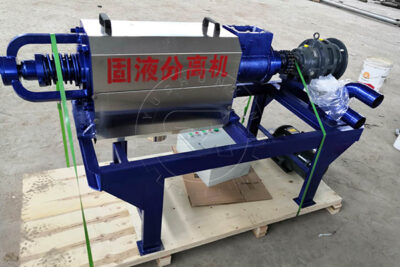
Your operators can keep the pile between 40°C and 60°C and hold moisture near 50% to 70%. A compost turner with adjustable speed changes the turning frequency and helps release excess heat. You can install water pipes or sprinklers on the fermentation groove to add moisture during turning. If the raw material holds too much water, a screw press dewatering machine can reduce the liquid before composting. These controls keep microbial activity stable and shorten the organic fertilizer composting process. The same moisture management also prepares the material for screening and bagging in a fertilizer processing plant.

How do compost turners and crushers support commercial compost production?

A compost turner lifts and mixes the pile so air reaches the microorganisms. You can use a semi-wet material crusher for high-moisture manure and a straw crusher for dry crop residues. The crusher reduces large pieces before mixing, and the turner maintains an even carbon-nitrogen ratio. When you add urea to adjust a low carbon-nitrogen ratio, your team can feed it through a urea processing line. Regular turning also limits odor and helps the pile mature uniformly. These machines form the core of a fertilizer manufacturing system that handles both wet and dry organic inputs.

How can a fertilizer production line use finished compost for organic fertilizer manufacturing?

After the compost matures, your workers can screen it, add mineral nutrients when needed, and move it to a granulation or packaging stage. A clean flow from turning to screening reduces handling time and keeps the product consistent. You can apply compound fertilizer processing technology when the market requires a blended NPK product. The finished material then supports a stable fertilizer manufacturing process without excessive dust or odor. For background on the nutrients that commercial compost provides, you can review the fertilizer reference. A fertilizer equipment manufacturer can supply the turner, crusher, screen, and packaging machines that fit your building and daily output.

Yushunxin can provide the composting and fertilizer production equipment for a commercial organic fertilizer project. If your team has interest in the process, you can learn more about https://www.fertilizerproductequipment.com/8-steps-on-how-to-make-the-best-compost.

What Equipment Is Needed for a 20 T/H NPK Fertilizer Blending Production Line?

A fertilizer production line that reaches 20 tons per hour gives your NPK plant a practical way to serve regional distributors. When you evaluate a 20 t/h npk fertilizer blending production line, you can focus on batching, mixing, conveying, packaging, and palletizing. Plant owners who use urea, diammonium phosphate, potassium chloride, and ammonium sulfate can combine these materials into uniform blends with a compact layout. This fertilizer equipment also reduces the space and labor that a full granulation plant would require.

20 t/h npk fertilizer blending production line

20 t/h npk fertilizer blending production line

How does a 20 t/h NPK fertilizer blending production line process urea, diammonium phosphate, potassium chloride, and ammonium sulfate?

Your operators first place urea, diammonium phosphate, potassium chloride, and ammonium sulfate into separate storage bins. A batching system then weighs each material and discharges the correct share into a collecting belt. After the belt lifts the batch, a rotary drum mixer blends the ingredients into a consistent compound. This fertilizer manufacturing process avoids the drying and cooling steps that granulation lines need, so your plant can start faster and keep energy use low. The final stage moves the blended product into a bagging machine and then to a palletizer for storage and transport. Each stage helps your NPK compound fertilizer processing plant maintain steady output throughout a working day.

Which equipment list does a 20 t/h NPK fertilizer blending production line require?

A complete line includes a dynamic batching machine, belt conveyors, bucket elevators, a rotary drum mixer, a packing scale, and a stacker. You can also add a bag dust collector to control dust around the batching area. The batching machine with four bins gives you accurate control over nitrogen, phosphorus, and potassium ratios. The bucket elevators carry material without spilling it, while the rotary drum mixer produces a uniform blend in a continuous cycle. The packing scale fills 25 kg or 50 kg bags, and the stacker arranges finished bags for efficient warehouse handling. With this equipment set, your fertilizer machinery supports a compact and continuous NPK compound fertilizer manufacturing system.

What layout and capacity factors shape a 20 t/h NPK fertilizer blending production line?

Space, power, and future expansion shape the layout. A compact design needs about 1,500 square meters, so plant owners with limited land can still install the line. The batching and mixing equipment uses less power than a granulation route, and the line can run with fewer operators. You can also keep the fertilizer production cost under control because the process omits high-temperature drying and cooling. If your market grows, you can add partial machinery later and raise capacity without changing the whole building. These factors make the line suitable for medium fertilizer plants that want dependable output and a clear return path. The design also allows you to apply compound fertilizer processing technology that supports formula changes between production batches.

How can plant owners compare fertilizer processing plant options without relying on vague profiles?

You can compare options by checking capacity, power use, number of operators, dust control, and expansion ability. A strong fertilizer manufacturing system shows clear batching accuracy, mixing uniformity, and packaging speed. You can also review how the line handles raw material flow and how easily workers can clean the equipment between formulas. These measurable points give your team a better basis for decisions than general descriptions. Many plants choose a blending route because it shortens the fertilizer manufacturing process and fits medium investment budgets. A reliable fertilizer equipment manufacturer can provide specifications, process drawings, and installation guidance for your facility. For additional background on the materials and role of plant nutrients, you can read the fertilizer reference before you plan the full project.

Yushunxin can support your team with a measured batching-to-packing solution for this production scale. If your team has interest in the line, you can learn more about https://www.fertilizerproductequipment.com/20-t-h-npk-fertilizer-blending-production-line.