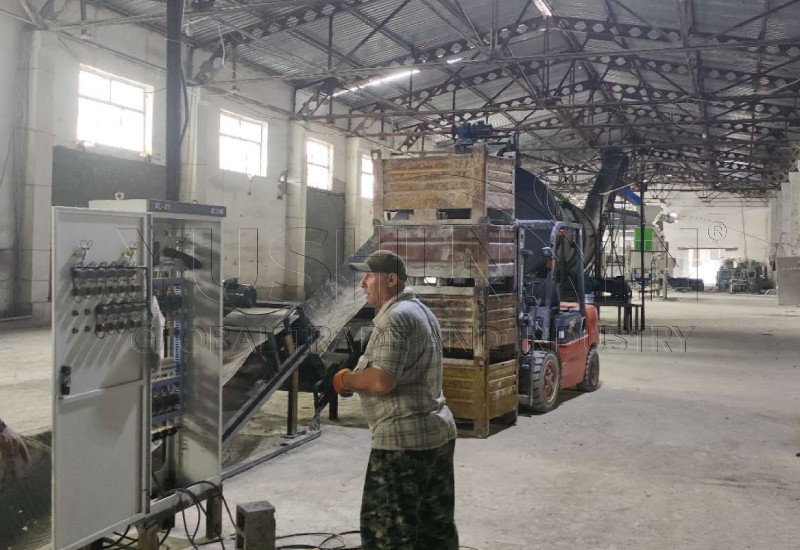
How to Upgrade an Existing Fertilizer Blending Plant with Granulation Equipment

If your fertilizer factory already operates a batching and mixing system, adding granulation equipment can help you enter the commercial granular fertilizer market. Instead of building an entirely new factory, you may reuse suitable existing equipment and integrate additional processing units according to your production targets.

1. Evaluate Your Existing Blending Equipment

Before upgrading, assess your current raw material storage, batching machines, mixers, conveyors, and control system. Check their processing capacity, material compatibility, and automation level.

A well-planned blended fertilizer granules production line can retain suitable existing equipment while adding the necessary granulation and post-processing sections.

However, conventional BB fertilizer blending and compound fertilizer granulation are different processes. Therefore, existing equipment must be evaluated before deciding what can be reused.

2. Add Granulation and Post-Processing Equipment

A complete fertilizer blending and granulation line may include a batching system, double shaft mixer, granulator, rotary dryer, cooler, screener, coating machine, and automatic packing equipment.

The granulator should match your fertilizer formulation and target particle size. Additionally, drying and cooling capacity must match the actual wet granule output to avoid production bottlenecks.

3. Choose the Right Granulation Technology

For manufacturers processing NPK powder mixtures, rotary drum granulation is a practical option for continuous industrial production.
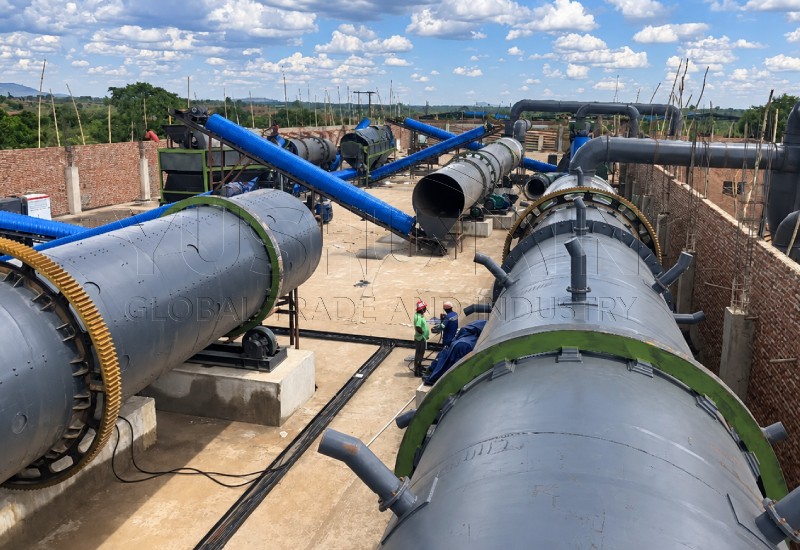
industrial blend fertilizer granulation system

Depending on the formulation, steam-assisted blended fertilizer granulation can help improve material conditioning and granule formation. However, steam requirements, moisture addition, and operating temperature should be confirmed through material testing.

For example, an NPK 20-10-10 fertilizer granulation plant requires careful control of nitrogen, phosphorus, and potassium distribution to maintain consistent nutrient content in the finished granules.

4. Check Workshop Space and Supporting Systems

Granulation equipment requires additional installation space, foundations, power supply, and material conveying connections. You should also evaluate dust collection, exhaust gas treatment, hot air supply, and finished-product storage.

For an overview of available equipment configurations, refer to: https://www.mixedfertilizermachines.com/products/blended-fertilizer-granulation-line/

5. Learn from an Industrial NPK Project

An existing project can help you understand how a complete granulation system is configured. For example, explore this 15 TPH blended NPK fertilizer granulation plant solution for Philippines.

Before purchasing, prepare your raw material analysis, target capacity, fertilizer formulas, granule specifications, and existing equipment list. These details help engineers determine which machines can be retained and which additional units are necessary.

Explore our fertilizer granulation equipment and production solutions to plan an upgrade that fits your existing factory and investment budget.

How Do You Choose a Horizontal Fertilizer Mixer for NPK Blending?

Plant owners and project investors often evaluate horizontal fertilizer mixer system before they plan a fertilizer processing plant. urea, diammonium phosphate, potassium chloride, ammonium sulfate move through batching system, rotary drum granulator, screening machine in a complete fertilizer production line. When you select this equipment, you review capacity, material condition, and plant layout. This evaluation helps you control investment and keep production stable.

horizontal fertilizer mixer

horizontal fertilizer mixer

How does a horizontal fertilizer mixer line support urea processing?

A horizontal fertilizer mixer line supports urea processing by connecting the main machine with feeding, mixing, and screening. You can prepare urea, diammonium phosphate, potassium chloride, ammonium sulfate before the machine starts. A batching system and a rotary drum granulator help control material flow, while a screening machine protects product quality. This layout keeps the fertilizer processing plant stable and reduces manual transfer. You can also compare this process with standard fertilizer manufacturing system principles when you design the line. This preparation improves the fertilizer equipment and keeps the fertilizer machinery balanced. This setup also simplifies maintenance and reduces unexpected stops.

Why does a horizontal fertilizer mixer machine suit continuous fertilizer production?

A horizontal fertilizer mixer machine suits continuous fertilizer production because it handles urea, diammonium phosphate, potassium chloride, ammonium sulfate in a steady flow. You can arrange the equipment so the material moves from intake to packing without long stops. The batching system feeds the next stage at a stable rate, and the rotary drum granulator forms the product into a uniform shape. This coordination reduces bottlenecks and keeps the fertilizer production line efficient. You can also add a screening machine to return off-size material for rework, which lowers waste and improves product consistency. The steady output supports daily packing and dispatch targets.

Which compound fertilizer processing technology factors should you review before selection?

compound fertilizer processing technology helps you choose the right equipment for urea, diammonium phosphate, potassium chloride, ammonium sulfate. You can review moisture, particle size, capacity, and plant space before you order. A clear process flow reduces transfer points and protects the fertilizer machinery. This comparison also helps you balance fertilizer equipment with long-term operating cost. You can then match the selected machine to the fertilizer manufacturing system and keep the fertilizer processing plant running smoothly. This review helps you avoid buying oversized or undersized fertilizer machinery.

How can producers compare fertilizer standards for this fertilizer manufacturing process?

You can compare the general process described under fertilizer when you set the product standard and material specification. This reference helps you understand why moisture and particle size matter for urea, diammonium phosphate, potassium chloride, ammonium sulfate. You can also adjust the batching system and the rotary drum granulator according to the target output. This control supports the fertilizer production line and keeps the fertilizer processing plant consistent during peak production. This preparation also supports repeat product quality across production batches.

To summarize, how do you choose a horizontal fertilizer mixer for npk blending depends on material condition, equipment scope, and production capacity. You can match each machine to the required output and product form. A reliable fertilizer equipment manufacturer can supply the complete fertilizer manufacturing system. Yushunxin provides this fertilizer production equipment. If you have interests, you can learn more about https://www.fertilizerproductequipment.com/3-types-of-horizontal-mixers

How Do You Size an Automatic Seasoning Applicator for Food Production for a 1,000 KG/H Processing Line?

A snack factory, a fried food plant, or a food processor that seasons a 1,000 kg/h line needs an applicator sized to that throughput. The automatic seasoning applicator for food production applies oil spray and powder dosing in one step, and the sizing follows the drum and the dose. This article explains how a buyer sizes the applicator for a food processing line.

automatic seasoning applicator for food production

How Does Capacity Match a 1,000 KG/H Line?

A 1,000 kg/h line fits a continuous seasoning drum, because the drum keeps the product tumbling while it applies the powder or the oil. The octagonal seasoning applicator with oil spray and powder dosing adjusts the drum speed and the dose to the product. A buyer who matches the capacity to the output keeps the food machinery sized to the volume.

How Do Oil Spray and Powder Dosing Fit the Line?

The oil spray prepares the surface, and the powder dosing applies the seasoning in a controlled amount, so the coating stays even across the whole 1,000 kg/h. The automatic seasoning system for a 1,000 kg/h line keeps the dose steady, which lowers the over-seasoning and the waste. This control is the food manufacturing quality that a manual mix cannot repeat.

How Does the Applicator Connect With Frying?

A seasoning applicator works best when the fried and drained product moves directly to it, because a manual handoff changes the coating. The machine connects with a continuous fryer for a seasoning applicator line, a cooling conveyor, and a packer. A smooth connection keeps the food processing system moving.

How Should a Buyer Match the Seasoning Type?

A dry powder, a slurry, or an oil coating each needs a different drum and dose, so the buyer matches the seasoning type to the product. The octagonal drum suits fragile snacks, while the continuous drum suits a steady stream. This match keeps the food preparation and the flavor even.

How Should a Buyer Verify the Sizing?

Seasoning applicator sizing rewards a trial with the plant’s own product, because the powder and oil ratio change the coat. You can review the seasoning applicator manufacturer before a purchase, and that review shows the dosing and service. A measured run turns the food machinery decision into a dependable 1,000 kg/h plan.

How Does the Drum Speed Change the Coat?

The drum speed sets how long the product tumbles in the seasoning, and a slower tumble protects a fragile snack while a faster one coats a sturdy piece. This adjustable speed keeps the oil and the powder even without breaking the product. It is the food preparation setting that the sizing follows. A buyer who tests the drum first makes a more dependable food machinery decision.

Conclusion

A buyer sizes an automatic seasoning applicator for a 1,000 kg/h line by matching the drum, the oil spray, and the powder dosing to the product. These choices keep the food production line flavoring evenly. If you have interests, you can learn more about https://www.friedfoodsolutions.com/seasoning-equipment/

How to Reduce Fines and Recycling Loads in Industrial NPK Granulation

Excessive fines and oversized granules increase recycling loads, energy consumption, and equipment wear. Choosing a suitable npk fertilizer granulator machine is essential for maintaining stable production and consistent granule quality.

For industrial fertilizer manufacturers, reducing off-specification materials requires better raw material preparation, moisture control, and screening efficiency.

1. Optimize Raw Material Preparation

The performance of an npk granulation plant depends heavily on the characteristics of urea, MAP/DAP, KCl, and other ingredients.

For example, differences in particle size and moisture can affect granule formation.

Therefore, crush oversized materials and mix fertilizer powders uniformly before granulation. Moreover, selecting compatible formulations helps improve particle bonding and reduce unnecessary recycling.

2. Control Moisture and Granulation Conditions

In wet granulation, moisture influences particle growth, strength, and size distribution.

An automatic npk granulation production line can integrate controlled feeding, liquid dosing, granulation, drying, and screening.

However, excessive moisture may produce oversized or sticky granules, while insufficient moisture can increase fines.

Therefore, operators should adjust liquid addition and drum operating conditions according to actual material performance.

3. Improve Granule Formation with Steam

For suitable fertilizer formulations, steam-assisted npk fertilizer granulation can improve material conditioning and promote particle formation.

Steam introduces heat and moisture, helping certain ingredients develop suitable binding properties.

However, excessive steam addition may increase drying requirements and recycling loads.

Therefore, control steam flow, material temperature, and moisture through production trials.

Learn more about the fundamentals of granulation and particle formation.

4. Consider Dry Granulation for Suitable Formulations

Alternatively, dry npk fertilizer granulation technology uses mechanical pressure to compact fertilizer powders.

Double-roller extrusion can reduce conventional drying requirements when raw material conditions are suitable.

However, roller pressure, feed consistency, and crushing settings influence granule size and fines generation.

For equipment configurations and operating principles, visit:https://www.fertilizerbusinessplan.com/npk-fertilizer-granulator/

5. Improve Screening and Recycling Efficiency

Efficient screening separates qualified granules from fines and oversized particles.

For example, manufacturers can adjust screen apertures according to their target fertilizer granule sizes.

Moreover, recycling oversized materials after crushing and returning suitable fines can improve material utilization.

However, excessive recycling increases internal equipment loads. Therefore, monitor the recycle-to-product ratio and finished granule yield.

6. Learn From an Industrial NPK Granulation Project

The npk double roller granulation line in Indonesia provides a practical reference for investors considering extrusion-based fertilizer production.

Before purchasing equipment, confirm your raw material properties, required capacity, granule specifications, and acceptable recycling loads.

Conclusion

Reducing fines requires coordinated control of raw materials, granulation conditions, screening, and recycling.

Explore industrial NPK fertilizer granulation solutions to select suitable equipment for your production requirements.

Производство гранулированной мочевины: от раствора до гранул

Выбор оборудования для производства удобрений начинается с анализа исходного сырья, целевой производительности и требований к готовому продукту. Заказчик сопоставляет мощность, энергопотребление и совместимость узлов, чтобы получить линию с понятной себестоимостью и стабильным качеством гранул. Производство гранулированной мочевины: от раствора до гранул подбирается по этим параметрам с учётом дальнейшей сушки, охлаждения, просеивания и упаковки готовой продукции, а также требований к месту установки и обслуживанию.

Производство гранулированной мочевины: от раствора до гранул — производственное оборудование
Оборудование для производства удобрений в составе технологической линии

Как выбрать оборудование для производства удобрений?

Комплектация линии зависит от исходного сырья и целевой формулы удобрения. Влажность, фракция и абразивность материала определяют выбор дробилки, смесителя и гранулятора, а также необходимую производительность каждого узла. При подборе оборудования сравнивают износостойкость рабочих органов, потребляемую мощность и удобство обслуживания. купить производство гранулированной оценивают по этим характеристикам и по совместимости с остальными машинами линии. Дополнительно предусматривают систему просеивания и возврата некондиционной фракции, чтобы снизить потери сырья и стабилизировать качество продукта. Для разного сырья сравнивают барабанную, дисковую и валковую грануляцию, поскольку эти технологии отличаются по форме гранул, производительности и затратам энергии.

Какие технические параметры учитывает производитель удобрений?

При расчёте линии учитывают производительность в тоннах в час, потребляемую мощность, габариты площадки и параметры теплоносителя. Важно согласовать производительность каждого узла, чтобы между подачей сырья, гранулированием, сушкой и охлаждением не возникало узких мест. Полученные значения проверяют по фактической влажности сырья, целевой фракции гранул и требуемой производительности. Это позволяет заранее определить состав линии и избежать дополнительных затрат на переделку оборудования после запуска. Отдельно рассчитывают расход теплоносителя и электроэнергии, а также долю возврата некондиционной фракции, которая влияет на фактическую производительность.

Как связанное оборудование влияет на технологическую линию?

Кроме основного оборудования, в линию входят питатели, элеваторы, просеиватели и система аспирации. Их производительность подбирается с небольшим запасом, чтобы линия работала непрерывно и не накапливала полупродукт между стадиями. Автоматизация управления отдельными узлами снижает влияние человеческого фактора и упрощает перенастройку линии под другую рецептуру. Резерв мощности по вспомогательным машинам также позволяет увеличить выпуск без полной замены основного оборудования. На этапе проектирования предусматривают удобный доступ к узлам для очистки, осмотра и замены изнашиваемых деталей.

Как производитель линий формирует комплектацию завода?

Надёжность поставки и доступность запасных частей важны не меньше, чем заявленные характеристики оборудования. Перед заказом уточняют опыт изготовителя, сроки производства, гарантийные обязательства и порядок шефмонтажа. поставщик карбамида должен подтверждать выпуск аналогичного оборудования и предоставлять комплектацию под конкретное сырьё. Условия поставки, обучение персонала и сервисное сопровождение также влияют на сроки запуска и последующие расходы на эксплуатацию линии. Полезно запросить примеры реализованных проектов с похожим сырьём и сопоставимой производительностью.

Какие сведения подтверждают выбор технологии?

Срок службы оборудования зависит от материалов, из которых изготовлены рабочие органы и корпус. Для контакта с влажными и абразивными продуктами выбирают износостойкие и коррозионностойкие материалы. конвейер применяется в местах, где важно сочетание прочности и устойчивости к износу. Правильный подбор материалов снижает частоту замены деталей, уменьшает простои и продлевает межремонтный интервал всей линии. Для узлов, работающих при повышенной температуре, дополнительно учитывают жаропрочность и устойчивость к деформации.

Перед заказом оборудования рекомендуется подготовить техническое задание с указанием сырья, производительности и требований к готовому продукту. Это позволяет точнее рассчитать комплектацию линии и сроки запуска производства у Yushunxin. Грамотно составленное задание сокращает переделки и снижает расходы на эксплуатацию.

What Layout Works Best for a 30 T/H Roller Press Granulation Production Line?

Plant owners and project investors often evaluate 30 t/h roller press granulation production line layout before they plan a fertilizer processing plant. chicken manure, crop straw, humic acid, sewage sludge move through double-roll extruder, crusher, rotary dryer in a complete fertilizer extrusion line. When you select this equipment, you review capacity, material condition, and plant layout. This evaluation helps you control investment and keep production stable.

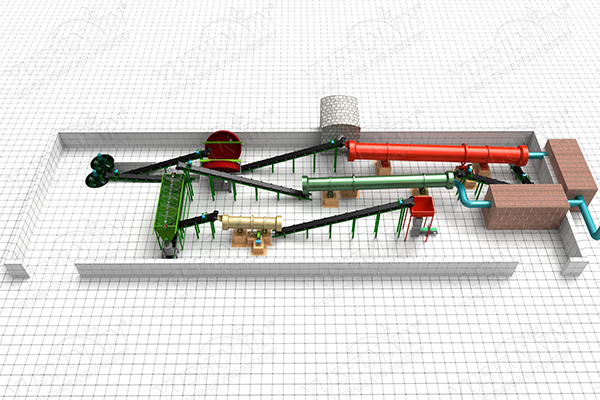
30 t/h roller press granulation production line layout

30 t/h roller press granulation production line layout

How does a 30 t/h roller press granulation production line layout system support chicken manure processing?

A 30 t/h roller press granulation production line layout system supports chicken manure processing by connecting the main machine with feeding, mixing, and screening. You can prepare chicken manure, crop straw, humic acid, sewage sludge before the machine starts. A double-roll extruder and a crusher help control material flow, while a rotary dryer protects product quality. This layout keeps the fertilizer processing plant stable and reduces manual transfer. You can also compare this process with standard fertilizer manufacturing system principles when you design the line. This preparation improves the fertilizer machinery and keeps the fertilizer equipment balanced. This setup also simplifies maintenance and reduces unexpected stops.

Why does a 30 t/h roller press granulation production line layout machine suit continuous fertilizer production?

A 30 t/h roller press granulation production line layout machine suits continuous fertilizer production because it handles chicken manure, crop straw, humic acid, sewage sludge in a steady flow. You can arrange the equipment so the material moves from intake to packing without long stops. The double-roll extruder feeds the next stage at a stable rate, and the crusher forms the product into a uniform shape. This coordination reduces bottlenecks and keeps the fertilizer extrusion line efficient. You can also add a rotary dryer to return off-size material for rework, which lowers waste and improves product consistency. The steady output supports daily packing and dispatch targets.

Which organic fertilizer extrusion technology factors should you review before selection?

organic fertilizer extrusion technology helps you choose the right equipment for chicken manure, crop straw, humic acid, sewage sludge. You can review moisture, particle size, capacity, and plant space before you order. A clear process flow reduces transfer points and protects the fertilizer equipment. This comparison also helps you balance fertilizer machinery with long-term operating cost. You can then match the selected machine to the fertilizer manufacturing system and keep the fertilizer processing plant running smoothly. This review helps you avoid buying oversized or undersized fertilizer machinery.

How can producers compare organic fertilizer standards for this fertilizer manufacturing process?

You can compare the general process described under organic fertilizer when you set the product standard and material specification. This reference helps you understand why moisture and particle size matter for chicken manure, crop straw, humic acid, sewage sludge. You can also adjust the double-roll extruder and the crusher according to the target output. This control supports the fertilizer extrusion line and keeps the fertilizer processing plant consistent during peak production. This preparation also supports repeat product quality across production batches.

To summarize, what layout works best for a 30 t/h roller press granulation production line depends on material condition, equipment scope, and production capacity. You can match each machine to the required output and product form. A reliable fertilizer machinery manufacturer can supply the complete fertilizer manufacturing system. Yushunxin provides this fertilizer production equipment. If you have interests, you can learn more about https://www.extruder-granulator.com/30-t-h-roller-press-granulation-production-line

Бурый уголь как удобрение: как превратить в гуминовое удобрение

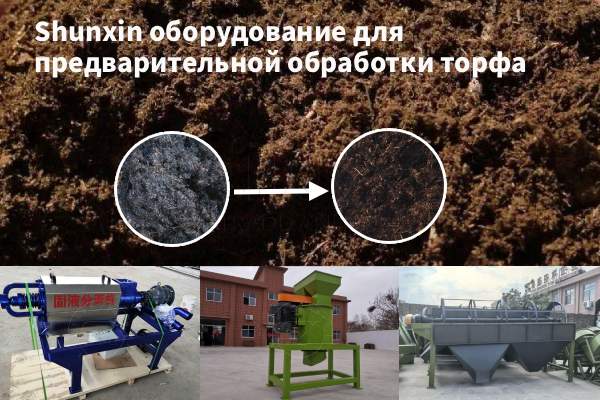
Производство удобрений объединяет выбор сырья, технологического оборудования и организации линии гранулирования. Производитель удобрений оценивает производственную задачу, сравнивает оборудование для производства удобрений и определяет состав технологической линии. Материалы страницы «Обработка торфа для удобрений — оборудование» помогают рассмотреть тему «Бурый уголь как удобрение: как превратить в гуминовое удобрение» с точки зрения завода, который планирует стабильный выпуск продукции. Бурый уголь как удобрение: как превратить в гуминовое удобрение позволяет заказчику производственной линии сопоставить комплектацию, мощность и технологические решения до начала проекта.

Бурый уголь как удобрение: как превратить в гуминовое удобрение — производственное оборудование
Оборудование для производства удобрений в составе технологической линии

Как выбрать оборудование для бурый уголь как удобрение: как превратить в гуминовое удобрение?

Предприятие сравнивает оборудование для производства удобрений, потому что гранулятор, смеситель, сушилка и дробилка должны работать в одной технологической линии. Производитель NPK учитывает производительность, влажность сырья и требуемый размер гранул. Инвестор оценивает затраты на производство удобрений и срок запуска завода по производству удобрений. Технологическая линия для производства удобрений подбирается по мощности, составу сырья и конечной формуле продукции. Материал страницы «Обработка торфа для удобрений — оборудование» показывает, какие параметры важны при выборе основного оборудования. оборудование для бурый уголь как удобрение: как превратить в гуминовое удобрение позволяет сопоставить модель с технологической задачей. Связанная страница «Оборудование для производства удобрений — подбор и поставка» уточняет, как отдельные машины интегрируются в общую систему переработки удобрений. Заказчик производственной линии сравнивает барабанную, дисковую и валковую грануляцию для конкретного сырья.

Какие технические параметры учитывает производитель удобрений?

Завод анализирует технологический процесс производства удобрений, поэтому учитывает производительность, потребляемую мощность, влажность и размер частиц. Производитель удобрений проверяет, какие параметры подтверждены для линии производства удобрений, и не переносит характеристики одной модели на другую. Инвестор проекта удобрений оценивает капитальные расходы, бюджет проекта и стоимость запуска. Производственная компания определяет, как оборудование для обработки удобрений влияет на качество готового продукта. Данные страницы «Обработка торфа для удобрений — оборудование» используются как основа для сравнения комплектации. подробная информация о производственной линии — для семейного парка даёт дополнительные сведения о возможных вариантах конфигурации. Управление производством удобрений становится точнее, когда каждый технологический узел соответствует характеристикам сырья и целевой мощности.

Как связанное оборудование влияет на технологическую линию?

Связанное оборудование для производства удобрений дополняет основную линию гранулирования. Производитель удобрений добавляет дробилку, смеситель, сушилку или грохот в зависимости от сырья и конечной формулы. Технология производства удобрений требует согласованной работы нескольких машин, поэтому завод проверяет производительность каждого узла. связанное оборудование для производства удобрений — для детского парка рассматривается в контексте линии гранулирования. Страница «Оборудование для производства удобрений — подбор и поставка» помогает понять, как связанное оборудование включается в производственную линию. Предприятие сравнивает варианты конфигурации линии и рассчитывает резерв мощности. Инвестор проекта учитывает, что правильный подбор вспомогательного оборудования снижает простои и повышает стабильность производства комплексных удобрений.

Как производитель линий формирует комплектацию завода?

Производитель линий для производства удобрений формирует комплектацию завода на основе производственной задачи. Завод по переработке удобрений оценивает сырьё, мощность и доступную площадь. производитель линий для производства удобрений — для детского парка представляет направления оборудования и технологических решений. Страница «Линии и оборудование для производства удобрений — Shunxin» даёт общее представление о направлениях оборудования и технологических решениях. Производственная компания сравнивает линии для органических и минеральных удобрений, а также системы гранулирования NPK. Инвестор учитывает, что комплекс оборудования должен быть согласован по производительности, управлению и обслуживанию. Такой подход помогает заказчику производственной линии перейти от отдельного станка к полноценному заводу по производству удобрений.

Какие сведения подтверждают выбор технологии?

Дополнительные справочные сведения о сырье и процессе помогают производителю удобрений проверить технологию гранулирования. Завод анализирует физические свойства материала, условия сушки и требования к конечному продукту. Инвестор проекта сравнивает разные технологии производства удобрений и учитывает особенности исходного сырья. удобрения — для гранулирования даёт справочное описание материала или процесса. Производственная компания использует справочные данные для подготовки технического задания на линию. Такие сведения дополняют описание оборудования и позволяют точнее определить параметры производства удобрений, управления линией и контроля качества готовой продукции.

Если тема актуальна для производственного проекта, производитель удобрений может уточнить комплектацию линии у Yushunxin, а дополнительная информация доступна здесь: https://www.liniyaudobreniy.com/oborudovanie-dlya-predvaritelnoy-obrabotki-torfa/

What Are the Most Common Industrial Food Packaging Equipment Maintenance Issues and How Can They Be Prevented?

A snack factory, a powder food plant, or a bakery that runs automatic packing depends on clean weighers and steady sealing to avoid stops. The industrial food packaging equipment for a food plant covers vertical film roll, powder, and pillow packing machines, and most maintenance issues start in the weigher or the sealing jaw. This article explains the common problems and the checks that keep a food production line running.

industrial food packaging equipment

How Does the Weigher Affect Packaging Accuracy?

The multi-head weigher divides the product into accurate portions, and a blocked head or a drifted setting changes the bag weight. The automatic food packaging machine with a multi-head weigher needs the heads checked and cleaned on a schedule, because residue throws the weight off. A plant that keeps the weigher accurate protects the food manufacturing quality and avoids the rejects that a wrong fill causes.

How Does the Sealing Jaw Cause Downtime?

The sealing jaw closes the film, and a worn jaw or a drifted temperature makes a weak seal that leaks or tears. The vertical film roll and powder packing machine for factories needs the jaw temperature and the film path checked daily. A clean, well-set jaw keeps the food handling sealed and the pack stable.

How Does the Powder Feeding Structure Clog?

The powder feeding structure carries fine material, and dust or moisture makes it clog and slow the line. A regular clean of the feeding path and the dust seals keeps the powder flowing. This routine protects the food equipment uptime in a powder or seasoning plant.

How Does the Machine Connect With a Conveyor Line?

A packing machine works best when the filled bags move directly to a conveyor and then to cartoning, because a manual handoff slows the line. The machine connects with a food conveyor system for a packaging line, and each handoff needs a matched speed. A smooth connection keeps the food processing system moving.

How Should a Plant Schedule Maintenance?

Packaging equipment runs continuously, so a planned stop for cleaning and jaw checks costs less than a failed seal in the middle of a shift. You can review the food packaging equipment manufacturer before a purchase, because spare parts decide how fast the machine returns to work. A fixed routine turns the food machinery decision into dependable uptime.

How Does Film Quality Affect the Seal?

The packaging film quality changes how cleanly the jaw seals, because a thin or stretched film leaks and tears while a matched film holds the seal. A plant that checks the film roll and the tension keeps the packs tight and the rejects low. This detail is part of the food preparation quality that the packing step protects, and a buyer who tests the film first makes a more dependable food machinery choice.

Conclusion

The most common industrial food packaging issues are weigher drift, a worn sealing jaw, and a clogged powder feed, and a plant prevents them with daily cleaning and a fixed check schedule. These habits keep the food production line packing steadily. If you have interests, you can learn more about https://www.hadofps.com/products/food-packaging-equipment/

Is a 1.5 T/H Double Roller Granulator Suitable for Small-Scale NPK Production?

Plant owners and project investors often evaluate industrial 1.5 t/h double roller granulator before they plan a fertilizer processing plant. chicken manure, crop straw, humic acid, sewage sludge move through double-roll extruder, crusher, rotary dryer in a complete fertilizer extrusion line. When you select this equipment, you review capacity, material condition, and plant layout. This evaluation helps you control investment and keep production stable.

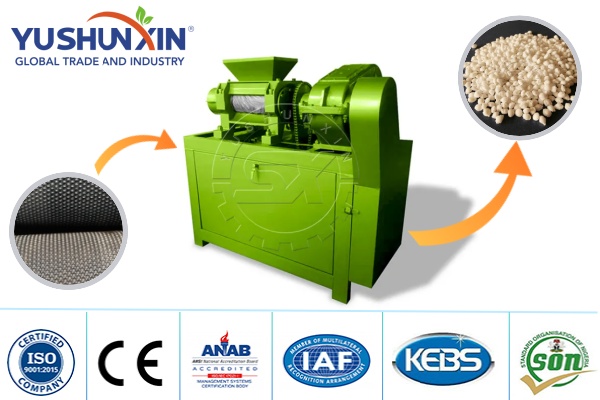
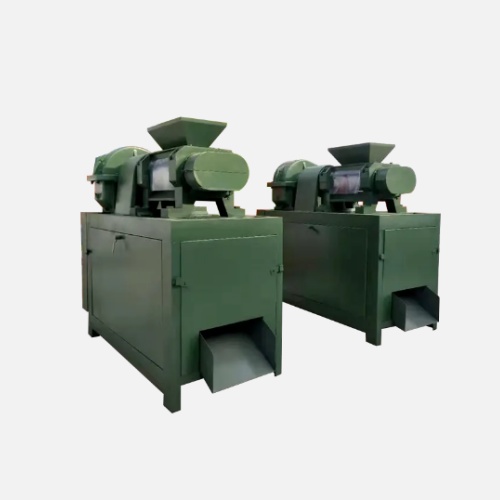
industrial 1.5 t/h double roller granulator

industrial 1.5 t/h double roller granulator

How does a industrial 1.5 t/h double roller granulator system support chicken manure processing?

A industrial 1.5 t/h double roller granulator system supports chicken manure processing by connecting the main machine with feeding, mixing, and screening. You can prepare chicken manure, crop straw, humic acid, sewage sludge before the machine starts. A double-roll extruder and a crusher help control material flow, while a rotary dryer protects product quality. This layout keeps the fertilizer processing plant stable and reduces manual transfer. You can also compare this process with standard fertilizer manufacturing system principles when you design the line. This preparation improves the fertilizer machinery and keeps the fertilizer equipment balanced. This setup also simplifies maintenance and reduces unexpected stops.

Why does a industrial 1.5 t/h double roller granulator line suit continuous fertilizer production?

A industrial 1.5 t/h double roller granulator line suits continuous fertilizer production because it handles chicken manure, crop straw, humic acid, sewage sludge in a steady flow. You can arrange the equipment so the material moves from intake to packing without long stops. The double-roll extruder feeds the next stage at a stable rate, and the crusher forms the product into a uniform shape. This coordination reduces bottlenecks and keeps the fertilizer extrusion line efficient. You can also add a rotary dryer to return off-size material for rework, which lowers waste and improves product consistency. The steady output supports daily packing and dispatch targets.

Which organic fertilizer extrusion technology factors should you review before selection?

organic fertilizer extrusion technology helps you choose the right equipment for chicken manure, crop straw, humic acid, sewage sludge. You can review moisture, particle size, capacity, and plant space before you order. A clear process flow reduces transfer points and protects the fertilizer equipment. This comparison also helps you balance fertilizer machinery with long-term operating cost. You can then match the selected machine to the fertilizer manufacturing system and keep the fertilizer processing plant running smoothly. This review helps you avoid buying oversized or undersized fertilizer machinery.

How can producers compare organic fertilizer standards for this fertilizer manufacturing process?

You can compare the general process described under organic fertilizer when you set the product standard and material specification. This reference helps you understand why moisture and particle size matter for chicken manure, crop straw, humic acid, sewage sludge. You can also adjust the double-roll extruder and the crusher according to the target output. This control supports the fertilizer extrusion line and keeps the fertilizer processing plant consistent during peak production. This preparation also supports repeat product quality across production batches.

To summarize, is a 1.5 t/h double roller granulator suitable for small-scale npk production depends on material condition, equipment scope, and production capacity. You can match each machine to the required output and product form. A reliable fertilizer machinery manufacturer can supply the complete fertilizer manufacturing system. Yushunxin provides this fertilizer production equipment. If you have interests, you can learn more about https://www.extruder-granulator.com/product/1-5t-double-roller-granulator-for-sale

¿Cuánto cuesta instalar una planta de mezcla de fertilizantes BB

Instalar una planta de fertilizantes BB puede ser una inversión rentable para fabricantes y distribuidores agrícolas. Sin embargo, el presupuesto depende de la capacidad, los equipos y la automatización. Una planta de mezclado de fertilizantes permite combinar materias primas granulares mediante dosificación, mezcla y envasado, sin necesidad de granulación química.

¿Qué equipos determinan la inversión inicial?

Una instalación industrial normalmente incluye tolvas de dosificación, transportadores, mezcladora, depósito de producto terminado y ensacadora.

La mezcladora de fertilizantes NPK granulados constituye un equipo central. Su capacidad, diseño y sistema de descarga influyen directamente en el presupuesto.

Además, conviene considerar la granulometría de las materias primas, ya que las diferencias de tamaño pueden favorecer la segregación durante el transporte y almacenamiento.

¿Cuánto cuesta automatizar la producción?

Para quienes buscan cuánto cuesta una sistema automática de mezcla de fertilizantes BB, resulta importante comparar diferentes configuraciones.

Línea de producción automática de fertilizantes BB

Una instalación económica puede incorporar dosificación estática, mezcladora por lotes y ensacado semiautomático. En cambio, una solución automatizada puede integrar pesaje electrónico, control PLC, transporte continuo y envasado automático.

Aunque requiere mayor inversión inicial, la automatización puede reducir la intervención manual y mejorar la precisión de producción.

¿Qué otros factores afectan el presupuesto?

El costo de línea de producción de fertilizantes BB también depende del espacio disponible, las instalaciones eléctricas, el número de tolvas y los sistemas auxiliares.

Además, el transporte internacional, el montaje y la puesta en marcha pueden incrementar la inversión total.

Para consultar diferentes configuraciones industriales, visite: https://es.fertilizerbusinessplan.com/productos/planta-de-mezcla-de-fertilizantes-bb/

¿Cómo calcular la inversión para una producción anual de 100 000 toneladas?

En proyectos de mayor capacidad, la búsqueda inversión en de fertilizantes BB de 100000 toneladas anuales requiere evaluar las horas de operación y los días laborables.

Por ejemplo, con 20 horas diarias y 250 días anuales, una producción de 100 000 toneladas requiere aproximadamente 20 t/h de producto terminado.

También debe considerarse la capacidad real de dosificación, mezcla y envasado.

Referencia de inversión en República Dominicana

El proyecto 100000USD costo de planta de fertilizantes NPK en Republica Dominicana ofrece una referencia para estudiar soluciones de mezcla industrial y comparar alternativas de inversión.

Sin embargo, cada presupuesto requiere una evaluación específica de capacidad, materias primas y equipos.

Conclusión

Una inversión eficiente comienza con una configuración adaptada a sus necesidades reales. Definir la capacidad, las fórmulas NPK y el nivel de automatización permite evitar gastos innecesarios.

Conozca más sobre nuestras soluciones de mezcla de fertilizantes BB y solicite una propuesta personalizada para su proyecto.